Introduction: The State of Algorithmic Trading in 2026
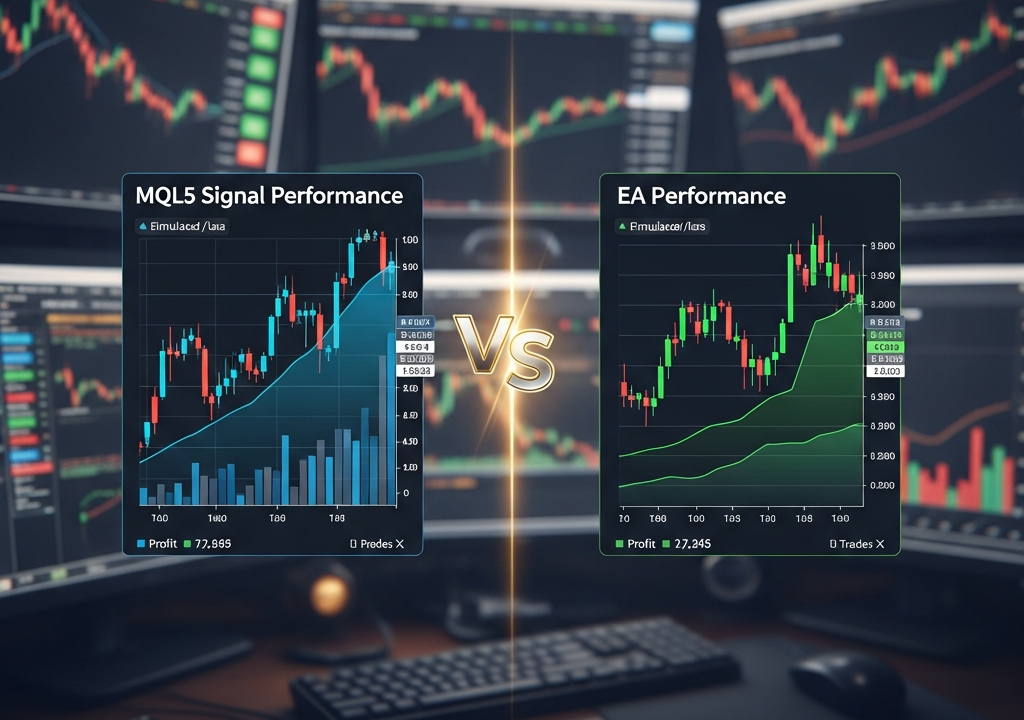
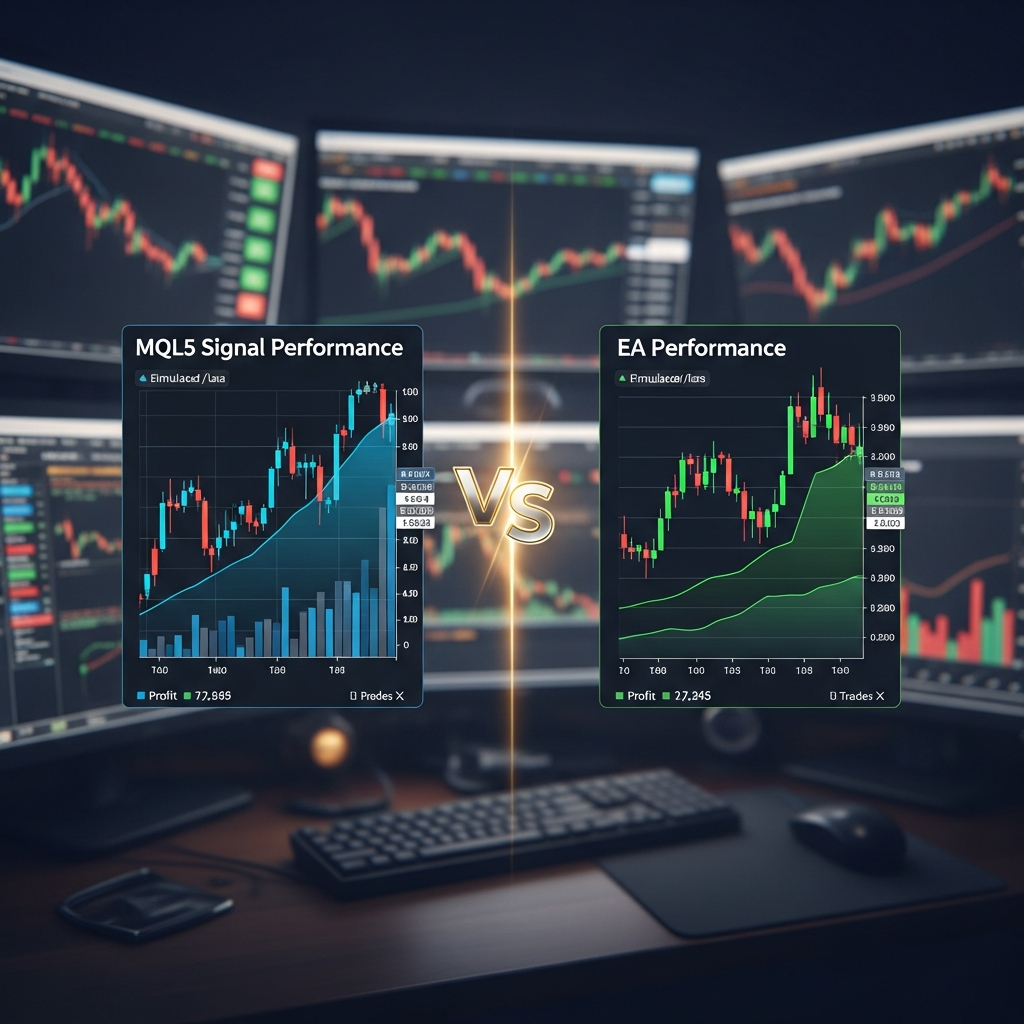
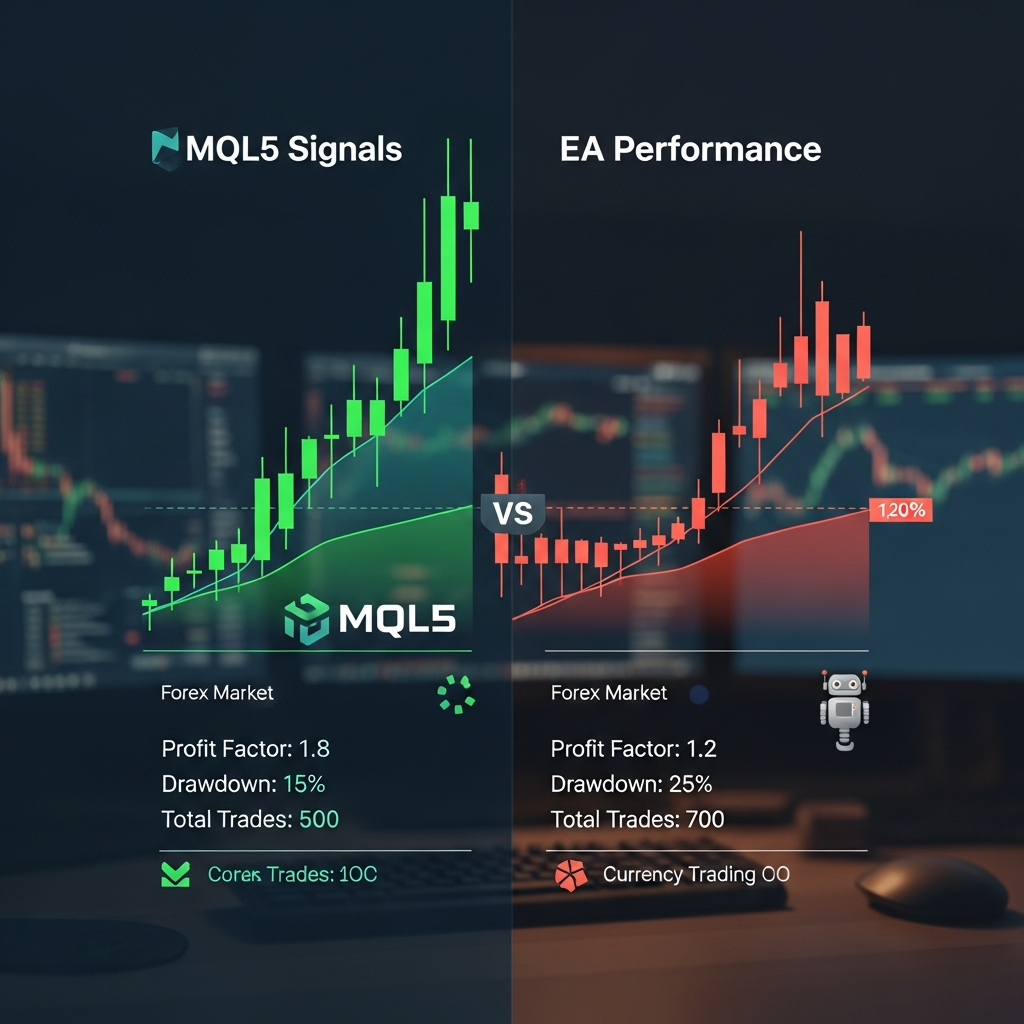
As we navigate through 2026, the landscape of retail trading has evolved into a sophisticated arena where speed, precision, and data-driven decisions are the only ways to stay ahead. For many traders using the MetaTrader 5 (MT5) platform, the debate remains constant: mql5 signal vs ea performance. Which one actually delivers consistent results in a market increasingly dominated by institutional AI?
Choosing between subscribing to an MQL5 Signal and running an Expert Advisor (EA) is not just a matter of preference; it is a fundamental choice in how you manage execution risk, latency, and capital allocation. While both methods fall under the umbrella of ‘automated trading,’ their performance profiles differ significantly due to how they interact with the broker’s server and the market’s liquidity. In this deep dive, we will dissect every nuance of these two paths to help you determine which one deserves your capital.
Understanding the Core Mechanisms
What is an MQL5 Signal?
An MQL5 Signal is essentially a social trading or copy-trading mechanism. You subscribe to a provider (the signal source), and their trades are automatically replicated in your account. The performance of a signal is heavily dependent on the synchronization between your account and the provider’s account.
What is an MQL5 EA (Expert Advisor)?
An EA is a piece of software—an algorithm—that runs directly on your trading terminal (or a VPS). It analyzes the market using programmed logic and executes trades locally. Unlike a signal, the EA is ‘thinking’ and ‘acting’ within your own trading environment based on the data it receives in real-time.
The Performance Gap: Latency and Slippage
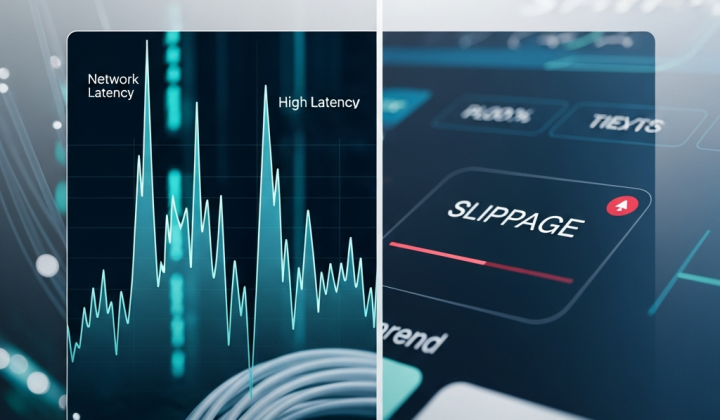
When discussing mql5 signal vs ea performance, the first technical hurdle is latency. In the high-frequency environment of 2026, even a few milliseconds can be the difference between a profitable trade and a loss, especially in scalping strategies.
Signal Latency: The Copy-Paste Delay
When a signal provider opens a trade, the information must travel to the MQL5 server, then to your terminal, and finally to your broker’s server. This multi-hop process introduces ‘slippage.’ Even if the provider has a 20% monthly return, your performance might be 15% because you are consistently entering trades at slightly worse prices. In volatile markets, this gap widens, often rendering high-frequency signals ineffective for the subscriber.
EA Latency: Local Execution
An EA running on a high-quality VPS (Virtual Private Server) located near your broker’s data center has a massive advantage. The EA sees the tick data and sends the order directly to the broker. There is no middleman. Consequently, EAs generally offer superior execution performance compared to signals, particularly for strategies that target small pip movements.
Risk Management and Customization
Signal Performance Constraints
When you subscribe to an MQL5 signal, you are largely at the mercy of the provider’s risk management. While the MQL5 environment allows you to limit the percentage of equity used and set stop-loss levels for the entire subscription, you cannot alter the individual trade logic. If a signal provider decides to move a stop loss or enter a ‘revenge trade,’ your account will follow suit, often leading to performance variance that doesn’t align with your personal risk tolerance.
EA Performance Control
EAs offer total transparency and granular control. You can adjust the lot sizing, set specific trading hours, and even filter out certain news events. This level of customization means that an EA’s performance can be ‘tuned’ to the specific market conditions of 2026. If the market becomes too volatile, you can lower the aggression of the EA—something you cannot do with a signal subscription.
The “Human Element” vs. “Cold Logic”
Performance isn’t just about the code; it’s about the strategy behind it. This is where the mql5 signal vs ea performance debate takes a psychological turn.
The Benefit of Signals: Human Oversight
Many top-performing MQL5 signals are ‘hybrid.’ This means a professional trader is either manually trading or overseeing a suite of algorithms. In 2026, where black-swan events are common, a human can recognize that a technical setup is being invalidated by a geopolitical event and stop trading. An EA, unless programmed with highly advanced sentiment analysis, might continue to trade into a buzzsaw, leading to a catastrophic performance dip.
The Benefit of EAs: Eliminating Emotion
Conversely, the performance of many signal providers suffers because of human emotion—greed, fear, and fatigue. An EA never gets tired and never feels the need to ‘get back’ at the market. Over the long term, the mechanical consistency of an EA often outperforms the erratic, emotion-driven spikes of manual signal providers.
Cost-Benefit Analysis in 2026
To truly compare performance, we must look at net returns after costs.
- Signals: Usually involve a monthly subscription fee (ranging from $30 to $500). If you have a small account, a $50 fee can wipe out a significant portion of your percentage gains, dragging down your net performance.
- EAs: Usually require a one-time purchase or a license fee. While the upfront cost might be higher, the long-term ‘drag’ on performance is lower because you aren’t paying every month. However, you must factor in the cost of a high-end VPS to ensure the EA performs optimally.
Backtesting vs. Real-World Results
One of the biggest pitfalls in the mql5 signal vs ea performance comparison is the reliance on backtests.
EA Backtesting
Many EA developers show ‘curved-fitted’ backtests that look like a perfect 45-degree angle upward. In 2026, traders have become smarter, but ‘over-optimization’ remains the #1 killer of EA performance. An EA that performed brilliantly in 2026 might fail in 2026 because the market regime has shifted from trending to mean-reverting.
Signal Track Records
MQL5 signals provide ‘real-account’ history, which is arguably more valuable than an EA backtest. You can see how the signal performed during actual news events and periods of low liquidity. However, you must verify if the provider is using a ‘Cent’ account or a ‘Demo’ account, as these can artificially inflate performance metrics due to different execution rules.
Technical Infrastructure: The Hidden Performance Multiplier
In 2026, performance is as much about your hardware as it is about your strategy. If you are comparing an MQL5 signal vs an EA, your VPS choice is the bridge. For an EA, a VPS is mandatory. For a signal, it is highly recommended. If your terminal is not running 24/7, you will miss trades. Missing just one winning trade because your home internet cut out can skew your monthly performance by 2-3%, often being the difference between a winning and losing month.
Which Should You Choose?
The Case for Signals
Choose an MQL5 signal if you are a ‘set-and-forget’ investor who doesn’t have the time to understand the intricacies of algorithmic settings. If you find a provider with a 3+ year track record and low drawdown, the ‘performance’ you get is the benefit of their experience. Just ensure your broker matches theirs as closely as possible to minimize slippage.
The Case for EAs
Choose an EA if you want to build a long-term, scalable trading business. The performance ceiling for an EA is higher because you can optimize it for your specific broker, leverage, and risk appetite. In the fast-moving markets of 2026, having the logic reside locally on your VPS provides an execution edge that signals simply cannot match.
Conclusion: The Verdict on MQL5 Signal vs EA Performance
There is no universal winner in the mql5 signal vs ea performance battle. If we look strictly at execution and technical potential, EAs win because they eliminate the latency inherent in the signal-copying process. However, if we look at ‘usability’ and the benefit of professional expertise, Signals win for the average retail trader.
In 2026, the most successful traders often use a diversified approach: they allocate a portion of their capital to a proven MQL5 Signal for stability and human oversight, while running a portfolio of specialized EAs to capture specific market inefficiencies with low-latency execution. By understanding the performance characteristics of both, you can build a robust automated strategy that survives and thrives in the modern financial landscape.