The Shift from Static Algorithms to Cognitive Trading
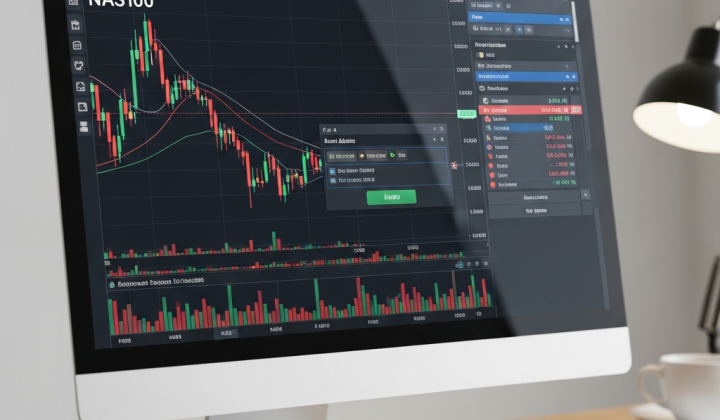
For decades, the world of automated currency trading was dominated by simple Expert Advisors (EAs). These legacy systems operated on rigid, ‘if-then’ logic. If the RSI crossed 30 and the 50-day moving average was sloping upward, the robot would buy. While effective in trending markets, these static bots frequently fell victim to ‘market noise’ and sudden volatility shifts. They lacked the ability to learn from their mistakes or adapt to changing macroeconomic environments.
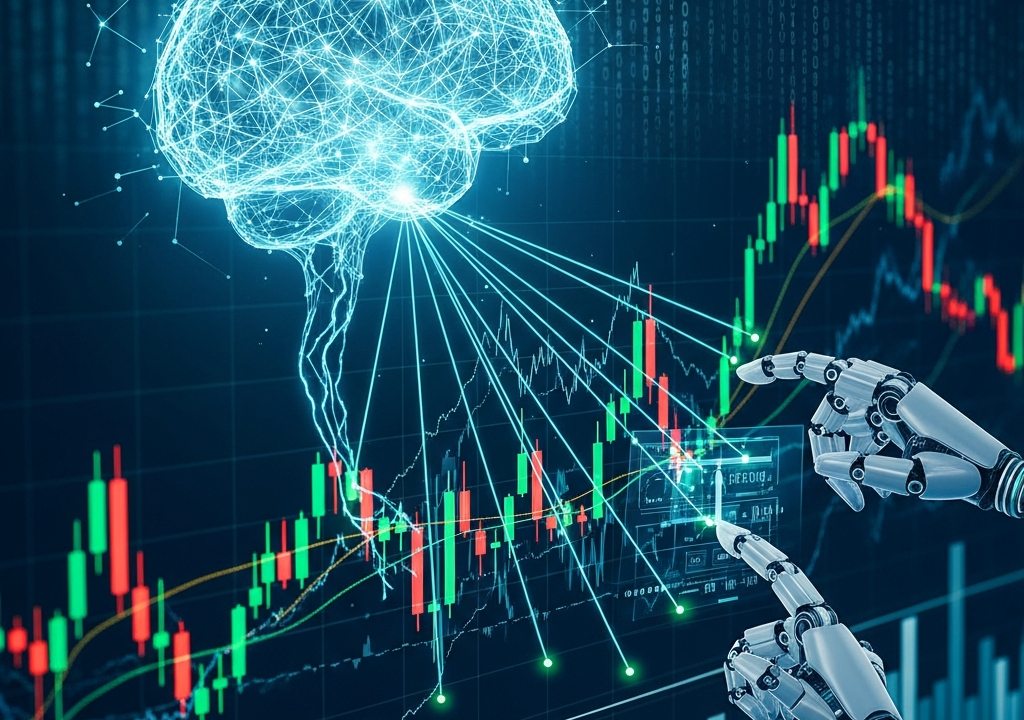
Enter 2026, and the landscape has undergone a tectonic shift. We are no longer talking about simple scripts; we are talking about neural network forex robots. These systems mimic the human brain’s architecture, utilizing layers of interconnected nodes to process vast amounts of data, recognize complex patterns, and execute trades with a level of precision that was once the exclusive domain of high-frequency institutional desks.
The current generation of neural network robots doesn’t just follow a set of rules—it builds its own rules based on historical and real-time data. This article explores the mechanics, advantages, and risks of these sophisticated tools, providing a comprehensive guide for traders looking to integrate high-level artificial intelligence into their portfolios.
What Exactly Is a Neural Network in Forex?
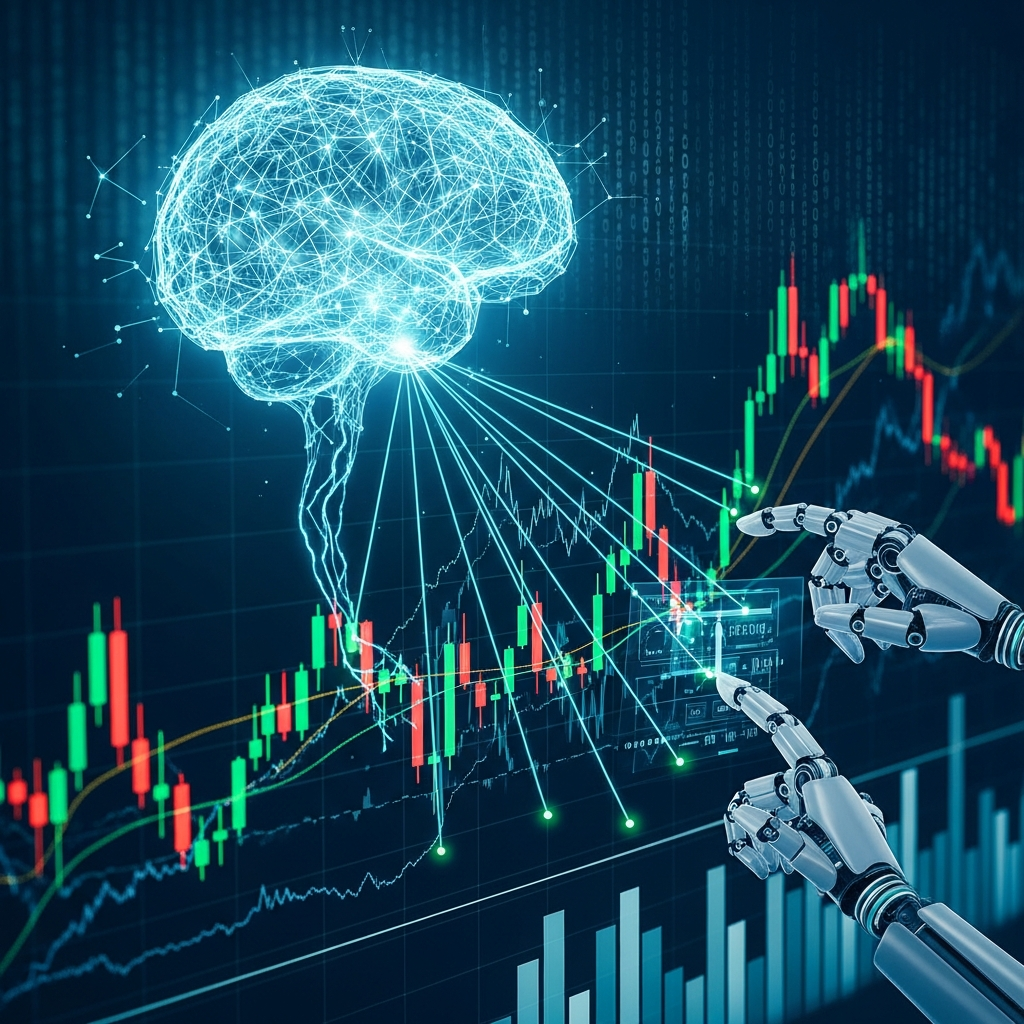
At its core, a neural network is a subset of machine learning designed to recognize patterns. In the context of the Foreign Exchange market, these networks ingest historical price action, volume, economic indicators, and even social media sentiment. Unlike a human trader who might look at two or three indicators, a neural network can analyze thousands of variables simultaneously.
A typical neural network used in trading consists of three main parts:
- The Input Layer: This is where the raw data enters the system. It includes candlestick data, volatility indices, and fundamental news releases.
- Hidden Layers: This is where the ‘magic’ happens. These layers perform mathematical computations, adjusting ‘weights’ and ‘biases’ to find correlations between variables that aren’t visible to the naked eye.
- The Output Layer: This provides the final decision—Buy, Sell, or Hold—along with calculated risk parameters like Stop Loss and Take Profit levels.
Why 2026 is the Year of Deep Learning in Retail FX
As we navigate through 2026, several technological convergences have made neural network robots more accessible to the retail trader. Previously, the computational power required to run deep learning models in real-time was prohibitively expensive. However, with the maturation of cloud-based GPU processing and decentralized computing, even individual traders can now deploy models that were previously reserved for the likes of Goldman Sachs or Renaissance Technologies.
The Power of Recurrent Neural Networks (RNN) and LSTM
One of the most significant breakthroughs in recent years is the widespread adoption of Long Short-Term Memory (LSTM) networks. Standard neural networks have no ‘memory’ of what happened just a few bars ago. In the volatile world of Forex, where previous price action heavily influences future movement, this was a major drawback.
LSTM networks solve this by maintaining a memory of past inputs. This allows the robot to understand time-series data more effectively. For instance, an LSTM-based robot can distinguish between a temporary price spike caused by a low-liquidity news event and a genuine trend reversal. This temporal awareness is what separates modern neural network robots from the ‘dumb’ bots of the early 2020s.
The Advantages of Trading with Neural Networks
Transitioning to an AI-driven approach offers several competitive edges that are difficult to replicate through manual trading or basic automation.
1. Unmatched Pattern Recognition
Human traders are prone to ‘Pareidolia’—seeing patterns where none exist. We want to see a Head and Shoulders pattern because we are biased toward a reversal. Neural networks are cold and analytical. They use multi-dimensional analysis to confirm if a pattern has a statistically significant probability of success based on millions of similar historical instances.
2. Emotionless Execution and Risk Management
The biggest enemy of a forex trader is emotion. Fear and greed lead to over-leveraging and moving stop losses. A neural network robot executes its strategy with clinical detachment. By 2026, these systems have become even more adept at dynamic risk management, adjusting position sizes based on real-time volatility rather than sticking to a fixed percentage.
3. Adaptive Learning (Backpropagation)
The most compelling feature of these robots is their ability to learn through a process called backpropagation. When a robot makes a losing trade, the system analyzes the discrepancy between its prediction and the actual outcome. It then adjusts the internal weights of its neurons to reduce the error in future predictions. This means the robot literally gets smarter the more it trades.

4. Sentiment Analysis Integration
In 2026, the best neural network forex robots don’t just look at charts. They integrate Large Language Models (LLMs) to scan news feeds, central bank speeches, and even geopolitical tension indices. By converting text into numerical data (embeddings), the neural network can factor in the ‘mood’ of the market, providing a holistic view that technical-only bots completely miss.
The Risks: It’s Not a Money-Printing Machine
Despite their sophistication, neural network forex robots are not without risks. It is vital for traders to understand these pitfalls before committing significant capital.
The ‘Black Box’ Problem
One of the biggest challenges with deep learning is interpretability. Because the hidden layers of a neural network perform millions of complex calculations, it is often impossible to know exactly *why* a robot decided to enter a trade. This is known as the ‘Black Box’ effect. If the market undergoes a ‘Black Swan’ event—a situation never before seen in the training data—the robot may behave unpredictably.
Overfitting (Curve Fitting)
Overfitting occurs when a neural network learns the historical data *too* well, including the random noise. The result is a robot that looks incredible in backtests but fails miserably in live trading. To combat this, developers in 2026 use techniques like ‘dropout’ and ‘early stopping,’ but the risk remains if the model is not properly validated using ‘out-of-sample’ data.
Broker Latency and Slippage
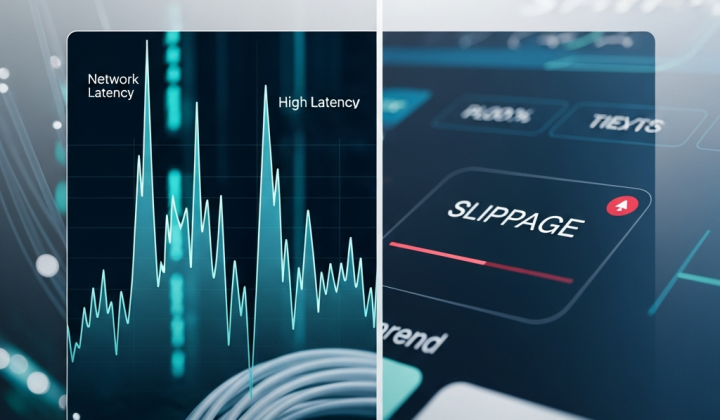
No matter how smart your AI is, it is still subject to the physical realities of the market. High-frequency neural networks require ultra-low latency connections. Even a millisecond of delay can turn a winning signal into a losing trade due to slippage. Successful AI traders often co-locate their servers in the same data centers used by their brokers.
How to Choose a Neural Network Robot in 2026
With the market flooded with ‘AI-powered’ tools, it’s essential to separate the high-performance systems from the marketing hype. Here is a checklist for the modern trader:
- Transparency of Architecture: Does the developer explain what kind of network they are using? Avoid products that simply use ‘AI’ as a buzzword without technical substance.
- Live Tracking (Myfxbook/Verified Results): Never trust backtests alone. Look for verified live trading accounts with at least six months of history.
- Frequency of Updates: A good neural network requires regular retraining to adapt to new market regimes. Check how often the developer updates the model’s core weights.
- Customization Options: The best robots allow you to set risk parameters, specific trading hours, and asset classes, rather than forcing a one-size-fits-all approach.
The Future: Quantum Neural Networks?
Looking beyond 2026, the next frontier is already visible: Quantum Neural Networks (QNNs). While still in their infancy, QNNs promise to process data at speeds that make current GPUs look like calculators. This will allow for the simulation of millions of economic scenarios in real-time, providing an even deeper layer of predictive capability.
For now, however, the synthesis of Deep Learning, LSTM, and real-time sentiment analysis represents the pinnacle of retail trading technology. Those who embrace these tools—while remaining cognizant of the inherent risks—are positioning themselves at the forefront of the new digital economy.
Conclusion
Neural network forex robots have moved from being a futuristic concept to a practical necessity for anyone serious about automated trading in 2026. By moving away from static logic and toward adaptive, cognitive systems, these robots offer a level of sophistication that can navigate the complexities of the modern global market.
However, technology is only one half of the equation. Success in the FX market still requires a solid understanding of macroeconomics and a disciplined approach to capital management. The robot is a tool—an incredibly powerful one—but the trader’s role has shifted from being a ‘clicker’ to being a ‘system manager.’ Embrace the intelligence, manage the risk, and let the networks do the heavy lifting.