The Evolution of Automated Trading: Deriv Bot Telegram Signal Integration
As we navigate the financial landscape of 2026, the convergence of social messaging and algorithmic trading has reached a pinnacle of efficiency. For traders using Deriv—one of the world’s most versatile brokers for synthetic indices and forex—the ability to automate execution via external sources is no longer a luxury; it is a competitive necessity. Specifically, Deriv Bot Telegram Signal Integration has emerged as the go-to solution for retail traders looking to bridge the gap between high-quality analysis and instant execution.
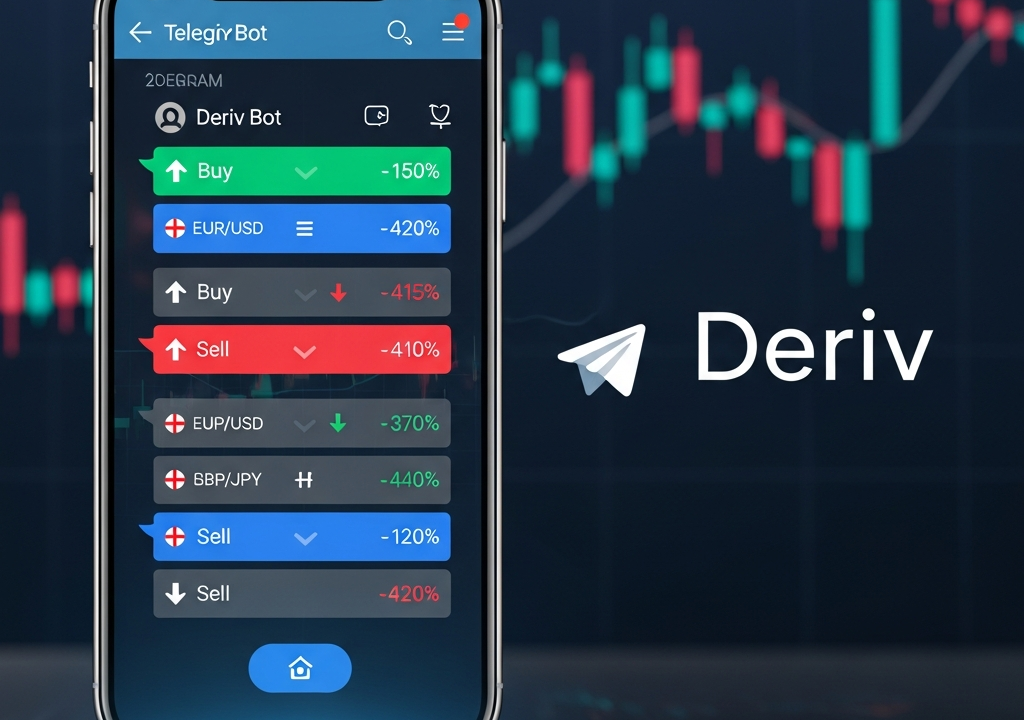
Automated trading has transitioned from complex, institutional-grade setups to accessible, user-friendly frameworks. Today, a trader can receive a signal on their smartphone via Telegram and have their Deriv account execute that trade in milliseconds, eliminating the lag and emotional hesitation that often plague manual trading. In this guide, we will explore the technical architecture, the strategic benefits, and the step-by-step implementation of this integration.
Understanding the Core Components
Before diving into the setup, it is essential to understand the three pillars that make this integration possible. Without a clear grasp of these components, troubleshooting becomes difficult, and the risk of capital loss increases.
1. The Deriv API and DBot Ecosystem
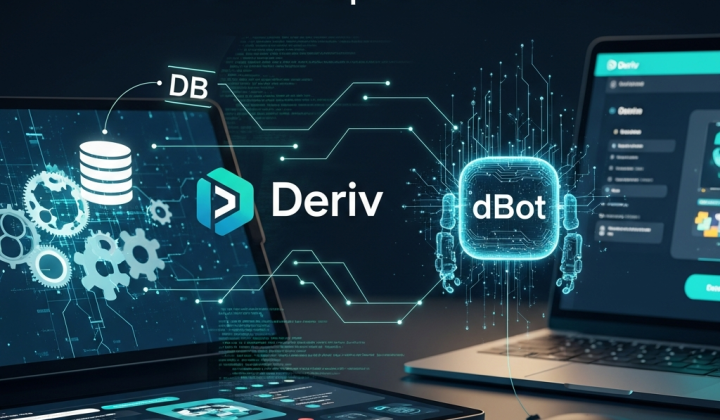
Deriv provides a robust Application Programming Interface (API) that allows external software to communicate with its trading servers. While Deriv offers DBot—a web-based automated strategy builder—true Deriv Bot Telegram Signal Integration often requires a more flexible middle layer that can “listen” to Telegram messages and convert them into API commands.
2. The Telegram Bot API
Telegram’s Bot API is the engine that allows developers to create bots capable of reading messages in channels or groups. When a signal provider posts a trade (e.g., “Buy V75 at 540200, SL 539000, TP 545000”), the bot identifies this text and parses it into data fields.
3. The Bridge (Middleware)
The bridge is the script or application (often written in Python, Node.js, or hosted via a dedicated copier service) that connects Telegram to Deriv. In 2026, many cloud-based platforms have simplified this, offering no-code interfaces for users who aren’t developers.
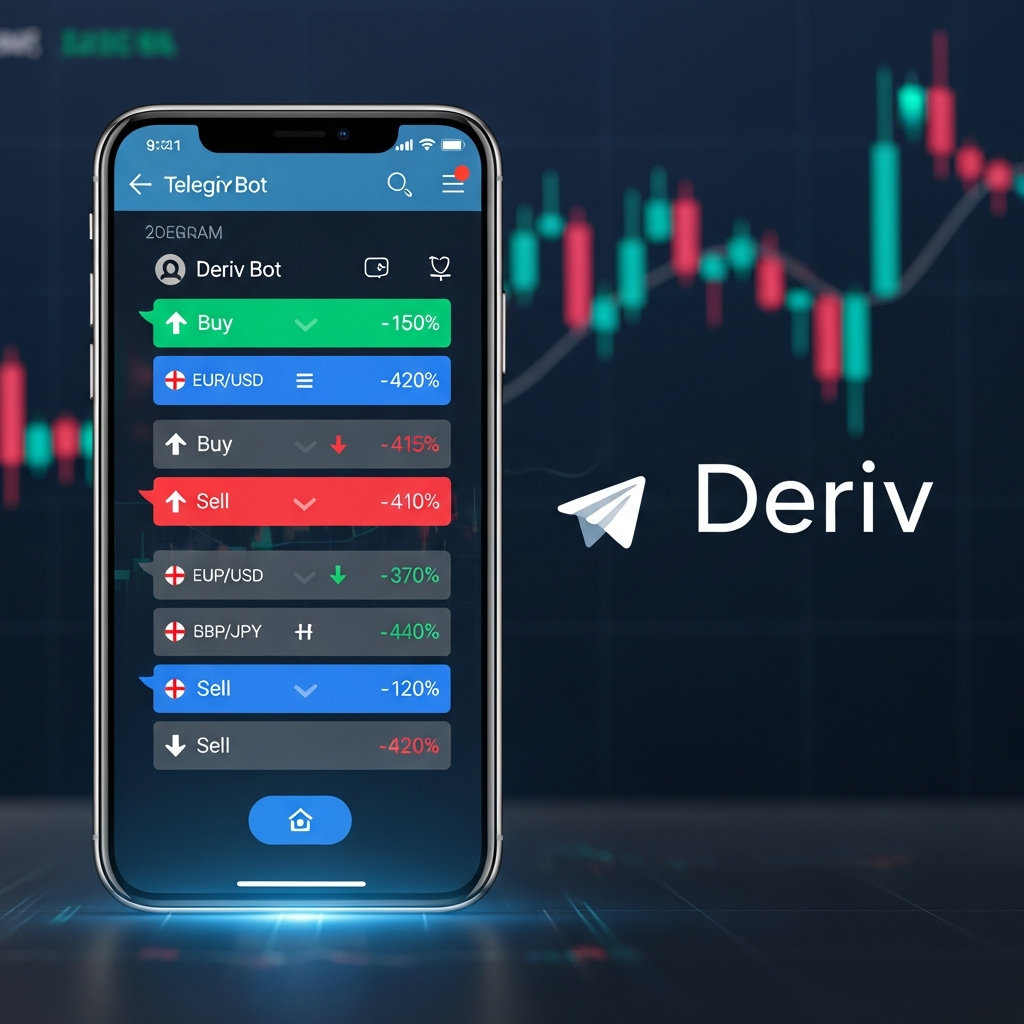
The Benefits of Automating Telegram Signals on Deriv
Why should a trader bother with integration rather than just placing trades manually? The advantages in 2026 are multifaceted:
- Instant Execution: In high-volatility markets like Volatility 75 (V75) or Crash/Boom indices, a five-second delay can mean the difference between a winning trade and a stopped-out position. Integration ensures zero-latency execution.
- 24/7 Market Participation: Deriv’s synthetic indices never close. By integrating signals with a bot, you can capture opportunities while you sleep, provided your signal source is active in different time zones.
- Elimination of FOMO and Greed: Emotions are the enemy of consistency. A bot does not hesitate to take a loss or feel overconfident after a win; it simply follows the logic of the signal.
- Multi-Account Management: For those managing multiple accounts, a single Telegram signal can be mirrored across several Deriv IDs simultaneously.
Step-by-Step Guide: Setting Up Deriv Bot Telegram Signal Integration
Implementing a signal-to-bot workflow requires precision. Follow these steps to ensure a secure and functional setup.
Step 1: Obtain Your Deriv API Token
The first step is to grant your integration script permission to trade on your behalf. Log into your Deriv account, navigate to the settings or account security section, and find “API Token.” You will need to generate a token with ‘Trade’ and ‘Admin’ permissions. Warning: Never share this token with anyone, as it provides access to your funds.
Step 2: Set Up Your Telegram Source
You must be a member of a Telegram channel that provides signals in a consistent format. If you are developing your own signals via a TradingView alert, you will use a Telegram bot to push those alerts into a private channel.
Step 3: Choose Your Integration Tool
In 2026, you have three primary paths:
- Custom Python Scripts: Using libraries like
python-telegram-botandderiv-api. This offers the most control but requires coding knowledge. - Signal Copier Services: Third-party platforms designed specifically for Deriv. You simply paste your API token and link your Telegram account.
- Expert Advisors (EAs) for MT5: Since Deriv supports MetaTrader 5, many use a Telegram-to-MT5 copier EA.
Step 4: Parsing and Filtering Logic
This is the most critical phase. Your bot must be programmed to recognize specific keywords. For example, it should ignore conversational text and only trigger when it sees “Buy,” “Sell,” “Limit,” or “Stop.” You should also set filters to ensure the bot doesn’t take trades on indices you aren’t comfortable trading.
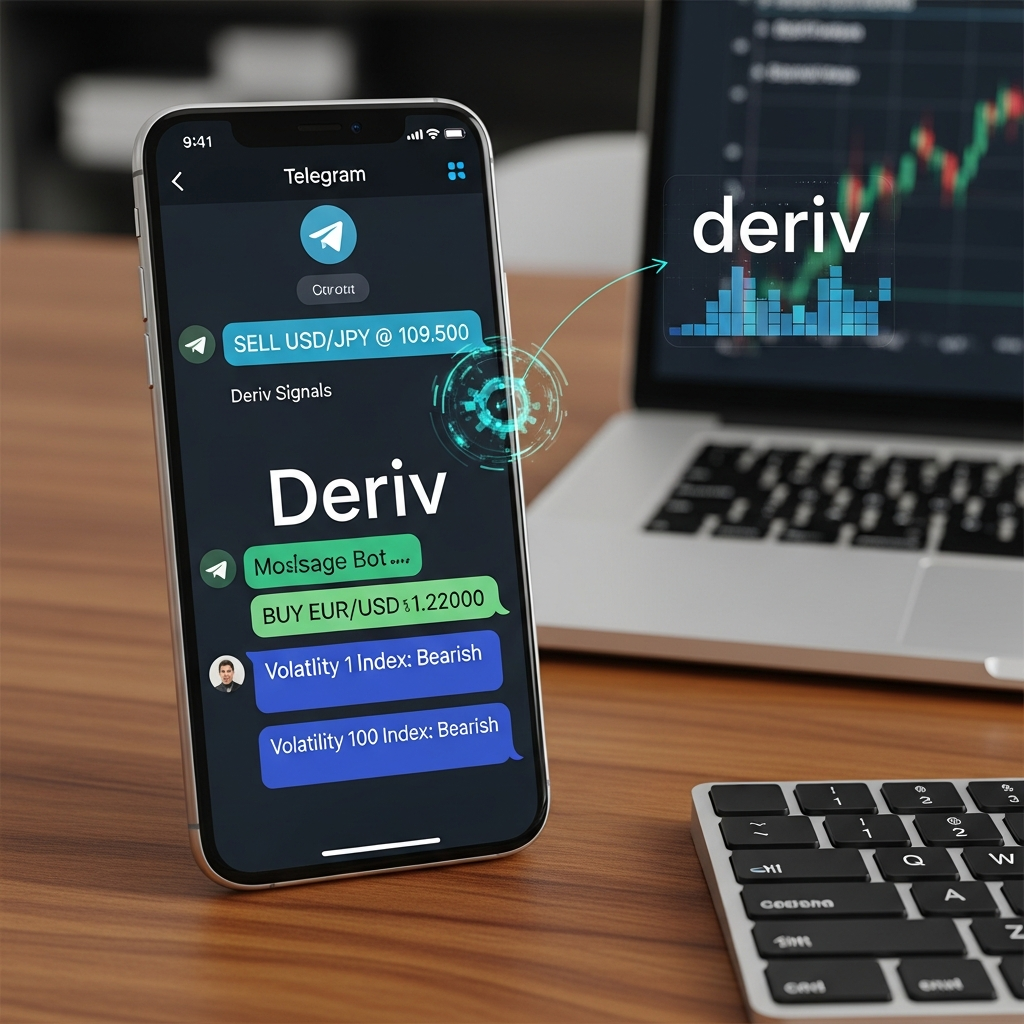
Advanced Configuration: Risk Management in 2026
A Deriv Bot Telegram Signal Integration is only as good as its risk management parameters. In the current 2026 trading environment, automated risk controls are more sophisticated than ever.
Dynamic Stake Sizing
Instead of a fixed stake, configure your bot to calculate position size based on a percentage of your current balance. This ensures that as your account grows, your risk remains proportional. For example, setting a 1% risk per trade is a standard practice for long-term sustainability.
Trailing Stop Loss Logic
Advanced integrations now allow for automated trailing stops even if the original Telegram signal doesn’t specify one. Once a trade hits a certain profit threshold, the bot can automatically move the Stop Loss (SL) to break even or into profit, locking in gains during volatile swings.
Daily Drawdown Protection
Set a hard limit on daily losses. If your integrated bot loses 5% of the account balance in a single day, it should automatically disconnect and stop processing signals until the next trading session. This prevents “revenge trading” by the algorithm if a signal provider has a bad streak.
The Role of AI and Machine Learning in Signal Parsing
As we move through 2026, AI has significantly enhanced how bots interpret signals. Natural Language Processing (NLP) allows modern Deriv bots to understand signals even if the provider changes their formatting. For instance, an AI-powered bot can recognize that “Go long on V100” and “V100 Buy Now” mean the same thing, reducing the errors common with older, rigid regex-based bots.
Furthermore, some traders are now using “Sentiment Filtering.” The bot analyzes the overall sentiment of the Telegram group; if the majority of participants are bearish while the signal is bullish, the bot may choose to skip the trade or reduce the stake size.
Common Pitfalls and How to Avoid Them
While Deriv Bot Telegram Signal Integration offers massive potential, there are several traps that beginners often fall into:
1. Connectivity Issues
If your bot is running on a local computer and your internet drops, signals will be missed. In 2026, it is standard practice to host your integration script on a Virtual Private Server (VPS). This ensures 99.9% uptime and low latency to Deriv’s servers.
2. Signal Delay
Some Telegram channels use bots that forward messages from other channels. This can introduce a delay of several seconds. Always try to get signals from the original source to ensure the entry price is still valid by the time your bot receives the data.
3. Improper Format Parsing
If the signal provider changes their format (e.g., switching from “SL” to “Stop”), a poorly coded bot might fail to set a Stop Loss. Always test new signal sources on a Deriv Demo account for at least a week before going live.
Security Considerations
When dealing with API tokens and automated trading, security is paramount. In 2026, cyber threats in the fintech space are sophisticated. Ensure your VPS uses two-factor authentication (2FA) and that your API token is restricted only to the IP address of your server. Never use “copy-paste” bots from unverified GitHub repositories without auditing the code for malicious backdoors that could drain your account.
The Future of Deriv Automation
Looking ahead, we can expect even deeper integration. We are already seeing the rise of “Direct-to-DEX” signals and cross-broker automation, but Deriv remains a favorite due to its proprietary indices. The next step in Deriv Bot Telegram Signal Integration will likely involve voice-activated commands and VR-based monitoring dashboards, where traders can oversee their automated fleets in immersive environments.
Conclusion
Integrating Telegram signals with a Deriv bot is a transformative step for any trader. It moves you away from the screen and into the role of a portfolio manager. By leveraging the Deriv API, maintaining strict risk management, and using modern hosting solutions, you can build a resilient trading system that operates with mechanical precision.
Whether you are a seasoned developer writing custom Python logic or a retail trader using a turnkey copier solution, the goal remains the same: to execute high-quality signals with the speed and discipline that only a bot can provide. As the 2026 trading year continues to unfold, those who master these technical integrations will be best positioned to thrive in the ever-evolving markets of synthetic indices and beyond.