The Shift Toward Stability: Why Low Drawdown Forex EAs Dominate in 2026
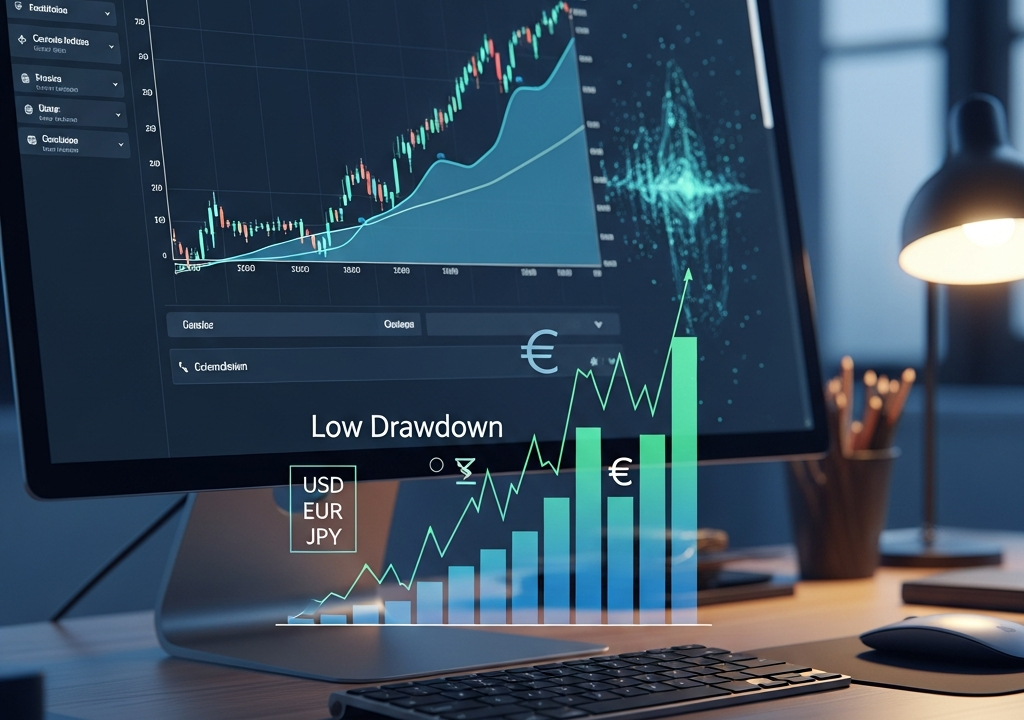
In the fast-paced world of retail forex trading, the allure of ‘overnight riches’ has largely been replaced by a more sophisticated desire: sustainable growth. As we move through 2026, the trading community has matured. The era of high-leverage ‘account blowers’ is fading, replaced by the rise of low drawdown forex EAs. These Expert Advisors are designed with capital preservation as their primary objective, ensuring that the inevitable market fluctuations do not lead to catastrophic losses.
For the uninitiated, an Expert Advisor (EA) is an automated software program that executes trades on platforms like MetaTrader 4 or 5 based on pre-defined parameters. While many EAs promise thousands of percent in returns, they often carry a hidden sting—massive drawdown. A low drawdown EA, conversely, prioritizes the ‘Smoothness’ of the equity curve over the raw speed of profit accumulation. This article explores why these tools are essential for the modern trader and how to distinguish the truly stable robots from the marketing hype.
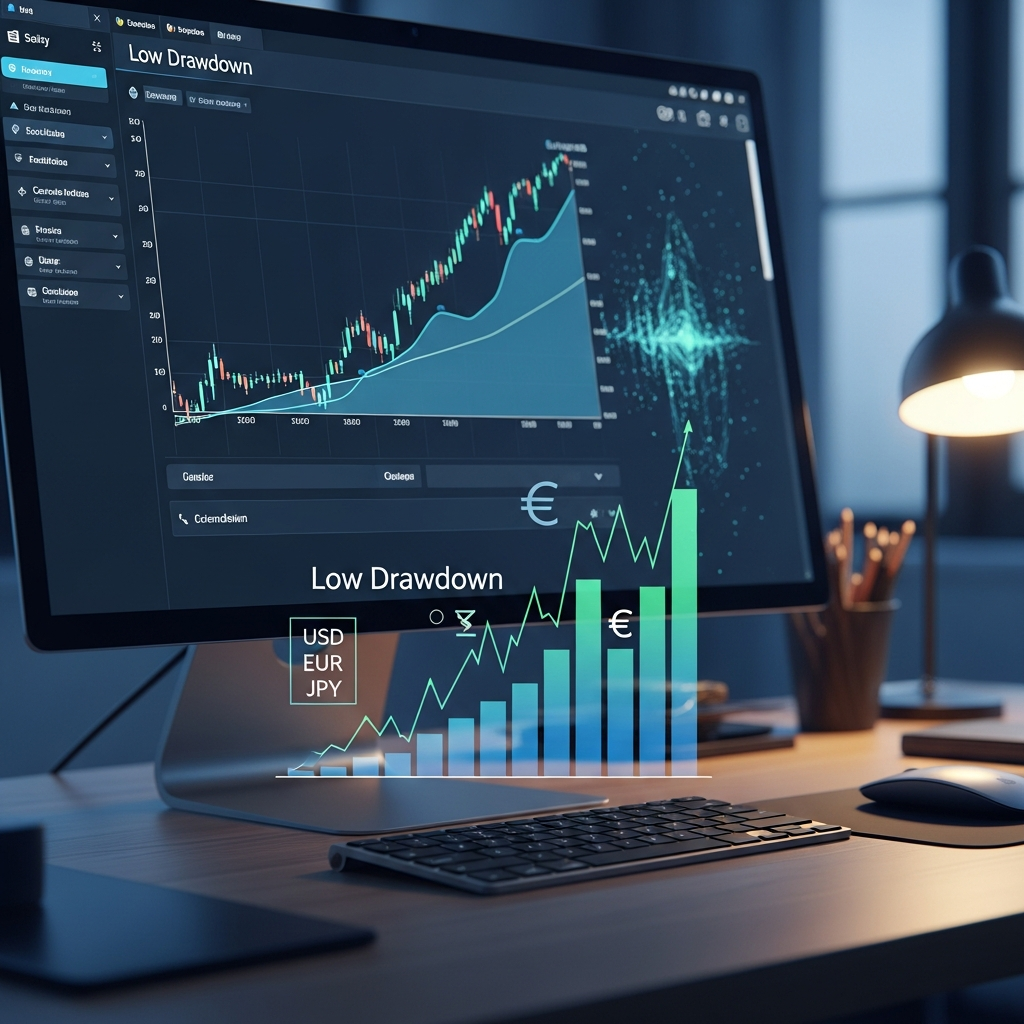
Understanding the Mechanics of Drawdown
To appreciate a low drawdown strategy, one must first understand what drawdown actually represents. In simple terms, drawdown is the difference between the highest point in your account balance (the peak) and the subsequent lowest point (the trough). It is the ‘pain factor’ of trading. If you have $10,000 and your account drops to $9,000 before recovering, you have experienced a 10% drawdown.
Absolute, Relative, and Maximum Drawdown
When analyzing a low drawdown forex EA, it is important to look at three specific metrics:
- Absolute Drawdown: The difference between the initial deposit and the lowest point the account reached below that deposit.
- Relative Drawdown: The maximum drop in percentage relative to the equity peak.
- Max Drawdown: The largest peak-to-trough decline observed over a specific period.
In 2026, professional traders look for EAs where the Max Drawdown rarely exceeds 10% to 15%. This threshold is particularly critical for those managing large capital or trading within the strict constraints of modern prop firms.
The Psychological Edge of Low Drawdown Trading
One of the most overlooked benefits of low drawdown forex EAs is the psychological peace of mind they provide. Trading is inherently stressful, but watching a 40% or 50% dip in your account balance can lead to irrational decision-making. Most manual traders—and even those using aggressive EAs—fail because they interfere with the system during a deep drawdown.
A low drawdown EA allows the trader to ‘set and forget’ with greater confidence. Because the equity curve remains relatively flat during losing streaks, the urge to panic-sell or shut down the robot is minimized. This emotional stability is what allows the power of compounding to take effect over months and years, rather than days.
Common Strategies Used by Low Drawdown EAs
Not all EAs achieve low drawdown in the same way. The architecture of the algorithm determines how it handles risk. In the current 2026 market environment, three strategies stand out for their stability:
1. Mean Reversion Scalping
Mean reversion operates on the principle that price will eventually return to its average. Low drawdown scalpers often trade during the ‘Asian Session’ or periods of low volatility. By targeting small, high-probability price corrections with tight stop losses, these EAs maintain a high win rate. Because the stop loss is often quite close to the entry, the risk per trade remains minimal, keeping the overall drawdown low.
2. Smart Trend Following
Trend following is a classic approach, but low drawdown versions are much more selective. Instead of entering every breakout, these EAs use advanced filters—such as AI-driven sentiment analysis or multi-timeframe confirmation—to ensure they only enter trades with high momentum. They often employ ‘trailing stops’ to lock in profits early, ensuring that a winning trade doesn’t turn into a significant loser.
3. Multi-Currency Diversification
Sophisticated EAs in 2026 often trade across 5 to 10 different currency pairs simultaneously. By spreading the risk, the EA ensures that a bad day for the Euro (EUR) might be offset by a good day for the Australian Dollar (AUD). This ‘internal hedging’ is a hallmark of institutional-grade software, as it smooths out the equity curve significantly compared to single-pair robots.
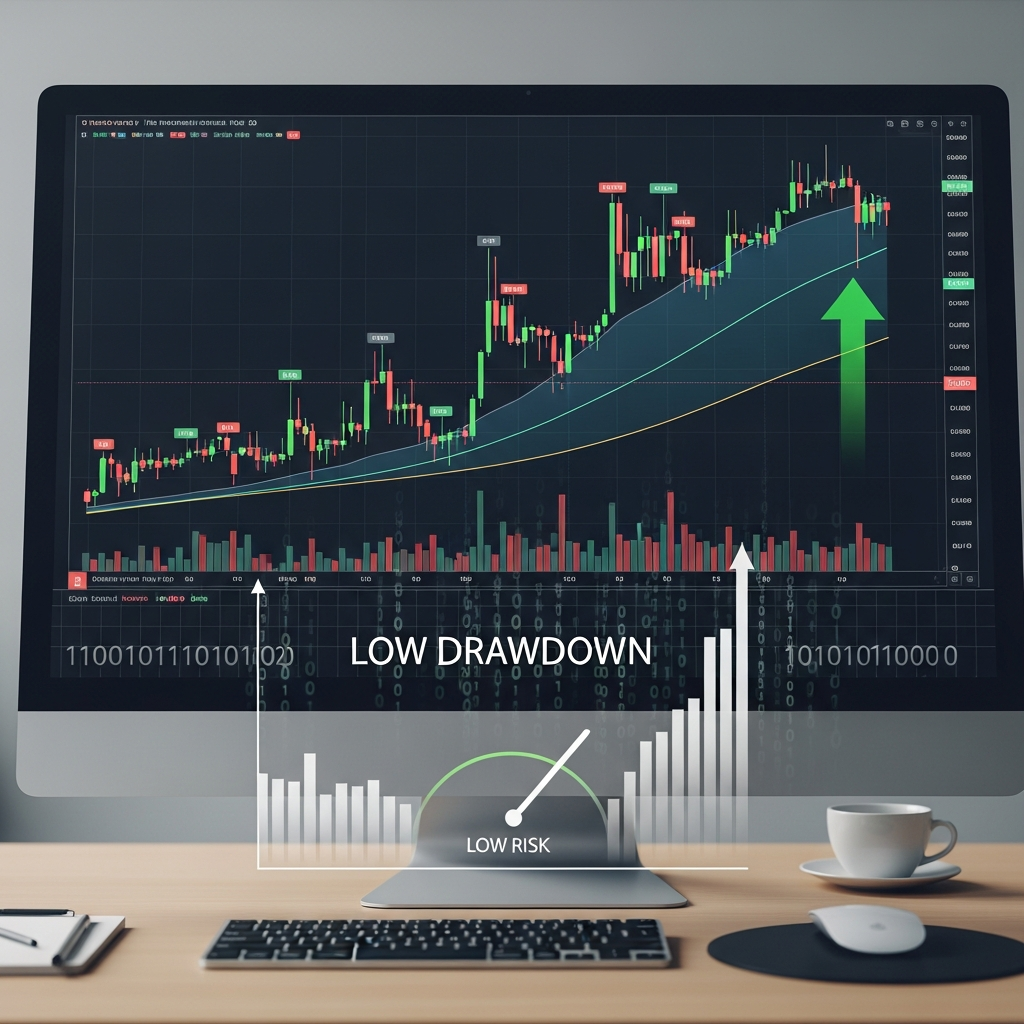
The Prop Firm Revolution and Low Drawdown Demands
The explosion of the prop firm industry has fundamentally changed the requirements for forex EAs. Most prop firms (companies that provide capital to traders) have strict ‘Daily Drawdown’ and ‘Total Drawdown’ limits—usually 5% and 10% respectively. If an EA hits these limits, the account is terminated.
This has led to a surge in the development of ‘Prop-Safe’ EAs. These robots are specifically tuned to never exceed a specific percentage of loss in a 24-hour period. In 2026, a ‘low drawdown’ label isn’t just a preference; for many, it is a technical necessity to keep their funded accounts active.
How to Evaluate a Low Drawdown EA in 2026
Marketing can be deceptive. A developer might show a ‘low drawdown’ chart that only covers a two-week period. To truly verify a robot’s stability, you must look deeper into the data.
The Importance of Real-Time Verified Results
Never trust a backtest alone. While backtesting (simulating the EA on historical data) is a useful first step, it doesn’t account for slippage, spread widening, or broker execution delays. In 2026, the gold standard for verification remains third-party monitoring sites like Myfxbook or MQL5 signals. Look for accounts that have been running live for at least 6 to 12 months with a consistent ‘drawdown to profit’ ratio.
Recovery Factor: The Secret Metric
The ‘Recovery Factor’ is a metric calculated by dividing the net profit by the maximum drawdown. For example, if an EA makes $5,000 profit with a $500 max drawdown, its recovery factor is 10. A high recovery factor indicates that the EA is efficient at bouncing back from losses. Any EA with a recovery factor above 5 is generally considered high-quality in the low-drawdown category.
Avoiding the ‘Low Drawdown’ Trap: Martingale and Grid Systems
A dangerous trend in the EA market involves ‘Grid’ or ‘Martingale’ strategies that appear to have low drawdown for a long time. These systems add more positions as the price goes against them, refusing to close a trade at a loss. On a chart, this creates a perfectly straight upward line with almost zero visible drawdown.
However, these are ‘ticking time bombs.’ Eventually, a trend will occur that does not pull back, and the ‘low drawdown’ EA will suddenly lose 100% of the account balance in a single afternoon. In 2026, true low drawdown EAs are defined by their use of a hard stop loss on every single trade. If an EA doesn’t use a stop loss, it is not a low drawdown EA; it is a high-risk EA waiting for a market crash.
The Role of AI and Machine Learning in 2026 EAs
The current year has seen a massive integration of neural networks into EA development. Modern low drawdown EAs now use ‘Regime Detection’ to identify whether the market is ranging or trending. When market conditions become too volatile or unpredictable, these AI-driven robots simply stop trading. This ‘defensive’ capability is a major leap forward from the static algorithms of the early 2020s, allowing for even lower drawdowns during ‘black swan’ economic events.
Setting Up Your Low Drawdown EA for Success
Even the best EA can fail if the infrastructure is poor. To maintain a low drawdown profile, you need to optimize the environment in which the robot operates:
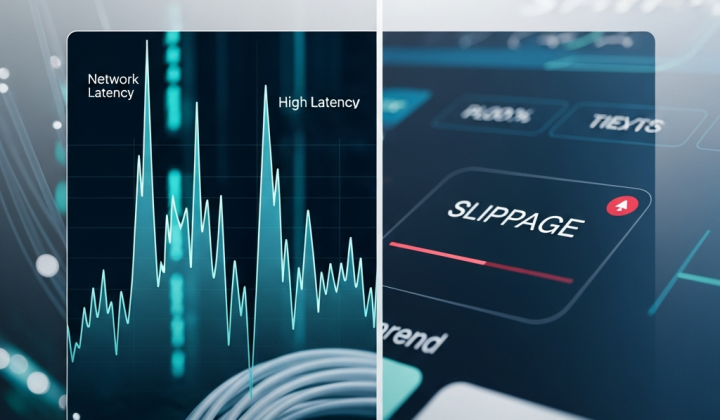
- Low Latency VPS: A Virtual Private Server (VPS) ensures your EA runs 24/7 without interruption. In forex, a 1-second delay in closing a trade can turn a small loss into a larger drawdown.
- ECN Brokers: Use brokers with Raw Spreads and ECN execution. High spreads act as a hidden ‘tax’ that increases your drawdown on every trade.
- Risk Per Trade: Even if the EA is ‘low drawdown,’ you should never risk more than 1% to 2% of your account on a single setup. Capital preservation starts with the user’s settings.
Conclusion: The Marathon, Not the Sprint
Low drawdown forex EAs represent the ‘Marathon’ approach to trading. They won’t make you a millionaire by next Tuesday, but they are designed to ensure you are still in the game by next year. In the volatile landscape of 2026, where global economic shifts can happen in an instant, the ability to protect your downside is the most valuable skill an automated system can possess.
When searching for the right EA, look beyond the ‘Total Profit’ percentage. Seek out systems that respect your capital, utilize hard stop losses, and demonstrate a history of controlled, measured growth. By prioritizing low drawdown, you aren’t just trading; you are building a resilient financial asset that can weather any market storm.