
The Great Shift: Why Transparent Code is Winning the Forex Markets
As we navigate the financial landscape of 2026, the retail forex market has undergone a fundamental transformation. For decades, traders were lured by the promise of ‘black box’ robots—proprietary software sold for thousands of dollars with hidden logic and unverifiable backtests. However, the tide has officially turned. The most successful retail and institutional traders in 2026 have moved toward open source forex robots and modular trading frameworks.
The reason for this shift is simple: transparency equals survival. In a market environment characterized by high-frequency volatility and complex geopolitical shifts, relying on a closed-loop system is no longer just a risk—it is a liability. Open source projects allow traders to peer under the hood, audit the risk management logic, and integrate the latest machine learning libraries without waiting for a vendor to issue a patch. This article explores the leading open source forex robots and frameworks that are defining the 2026 trading era.

The Advantages of Open Source in 2026
Why are traders choosing GitHub repositories over commercial Expert Advisors (EAs)? The benefits are multifaceted, touching on security, performance, and community-driven innovation.
1. Auditability and Security
In 2026, cybersecurity is at the forefront of every trader’s mind. Closed-source EAs are often compiled into executable files that could theoretically contain malicious code or ‘phone home’ with your API keys. Open source forex robots allow you to read every line of code. You can verify exactly how your data is handled and ensure there are no ‘hard-coded’ vulnerabilities that could be exploited by third parties.
2. Elimination of Licensing Fees
The days of paying a monthly subscription for a basic grid bot are fading. By using open source software, you eliminate recurring costs, allowing more of your capital to be allocated toward the actual trades. The only ‘cost’ is the time spent learning the system, which in itself is an investment in your own financial education.
3. Customization and Scalability
No two traders have the same risk appetite. Open source frameworks are inherently modular. If you want to replace a standard Relative Strength Index (RSI) entry signal with a custom Transformer-based sentiment analysis model, you can do so. In 2026, the ability to pivot your strategy in response to central bank decisions or sudden market flash crashes is a competitive necessity.
Top Open Source Forex Frameworks to Watch
While there are thousands of repositories available, a few have risen to the top as the ‘gold standards’ of the algorithmic trading community. These are not just simple scripts; they are full-featured environments designed for professional-grade execution.
Freqtrade: The Python Powerhouse
Freqtrade continues to be the dominant force in the open source trading world. Originally popular for crypto, its evolution into the forex space by 2026 has been remarkable. Written in Python, it allows for seamless integration with libraries like Scikit-Learn, TensorFlow, and PyTorch. Its ‘strategy’ files are separate from the core engine, making it incredibly easy to backtest thousands of variations of a single idea using hyperopt (hyperparameter optimization).
Lean (QuantConnect)
The Lean Engine, which powers the QuantConnect platform, remains one of the most sophisticated open source projects available. It supports multiple asset classes, including forex, equities, and options. For traders who require a C# environment and institutional-grade backtesting that accounts for slippage, brokerage fees, and realistic fill models, Lean is the go-to solution. Its community in 2026 has grown to include thousands of contributors, ensuring that the engine stays compatible with the latest API changes from major brokers like OANDA and Interactive Brokers.
Hummingbot: High-Frequency and Liquidity
If your strategy involves market making or arbitrage, Hummingbot is the specialized tool for the job. In 2026, as forex spreads continue to tighten, the ability to provide liquidity and capture the bid-ask spread has become a viable path for retail traders with low-latency setups. Hummingbot’s open source connectors allow it to bridge the gap between traditional forex brokers and decentralized finance (DeFi) liquidity pools.
The Role of AI and LLMs in 2026 Trading Bots
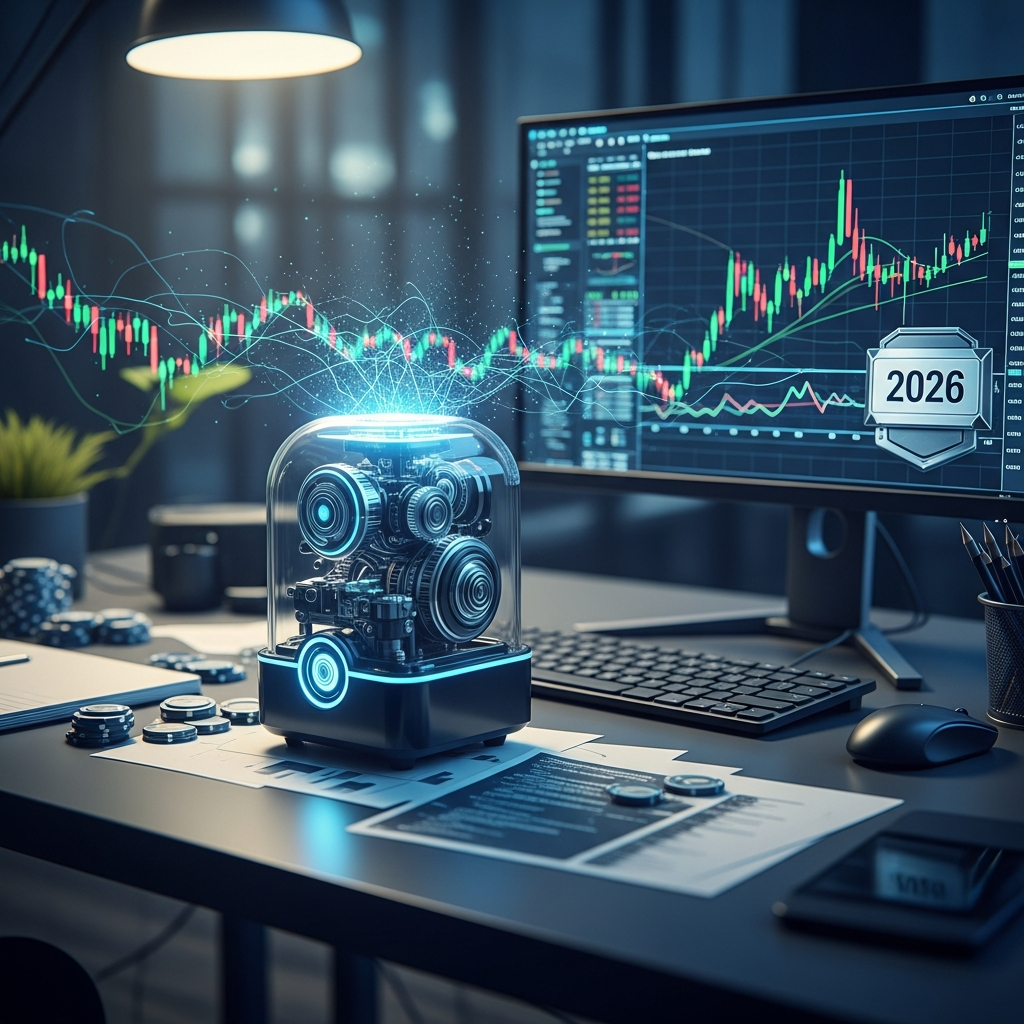
The most significant development in 2026 is the integration of Large Language Models (LLMs) directly into open source trading pipelines. We are no longer just looking at price action; we are looking at ‘context.’
Modern open source robots often feature a ‘sentiment layer.’ This module uses lightweight, local LLMs to scan financial news feeds, central bank transcripts, and even social media trends in real-time. This data is then converted into a sentiment score that acts as a filter for the robot’s technical signals. For instance, if the technical indicators suggest a ‘Buy’ on EUR/USD, but the LLM detects hawkish sentiment from the Federal Reserve, the robot may automatically de-risk the trade or skip it entirely.
Reinforcement Learning (RL)
Beyond sentiment, Reinforcement Learning has become more accessible. Frameworks like Stable Baselines3 are now frequently integrated into open source forex bots. This allows the bot to ‘learn’ the optimal policy for position sizing by training on years of historical tick data. Instead of a trader manually setting a stop loss at 20 pips, the RL-tuned robot adjusts its exits based on current market volatility and the probability of a reversal.
Infrastructure: Where the Code Meets the Market
An open source robot is only as good as the environment it runs in. In 2026, the standard setup has moved away from home PCs toward decentralized cloud infrastructure and high-performance VPS solutions.
- Dockerization: Most leading bots now come with Docker support. This ensures that the environment (Python versions, dependencies, libraries) is identical between your backtesting machine and your live trading server, eliminating the ‘it worked on my machine’ syndrome.
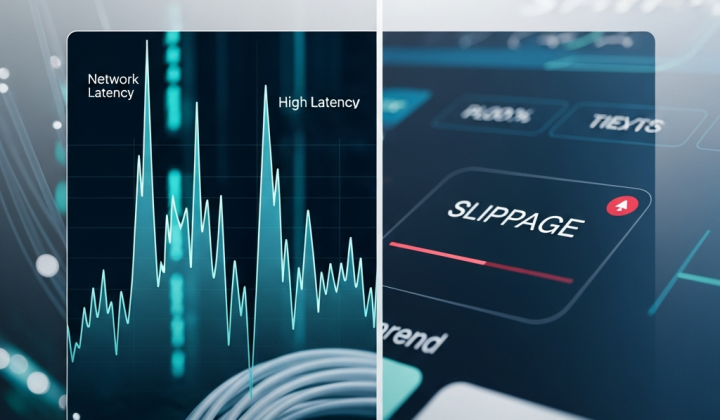
- Low-Latency VPS: To compete in 2026, your bot needs to be hosted in data centers close to your broker’s execution servers (typically in London, New York, or Tokyo). Many open source users now utilize specialized Linux-based VPS providers that offer sub-millisecond latency.
- Monitoring and Alerts: Open source doesn’t mean manual. Integration with tools like Grafana and Prometheus allows traders to build beautiful, real-time dashboards to monitor their bot’s health, drawdown, and win rate from their mobile devices.
Risk Management: The Open Source Approach
The greatest risk in automated trading isn’t the code failing; it’s the strategy succeeding until it doesn’t. Open source bots in 2026 place a massive emphasis on ‘Circuit Breakers.’ These are hard-coded rules that function independently of the trading strategy.
Typical open source circuit breakers include:
- Max Daily Drawdown: If the account drops by a certain percentage in 24 hours, the bot kills all positions and shuts down.
- Correlation Filters: Ensuring the bot doesn’t over-leverage by taking multiple positions in highly correlated pairs (e.g., buying GBP/USD and EUR/USD simultaneously).
- Volatility Halts: Using the Average True Range (ATR) to pause trading during periods of abnormal market ‘noise’ where technical indicators become unreliable.
How to Get Started with Open Source Forex in 2026
For those ready to move away from commercial EAs, the path involves a learning curve, but the rewards are significant. Here is the recommended roadmap:
1. Learn the Basics of Python
Even if you don’t intend to write your own bot from scratch, knowing how to read Python is essential for auditing the strategies you find on GitHub. Spend a few weeks familiarizing yourself with data structures and the Pandas library.
2. Start with a ‘Paper’ Trading Account
Never take an open source bot live on day one. Most frameworks (like Freqtrade) offer robust ‘dry run’ modes that simulate live trading without risking real capital. Run the bot for at least a month to see how it handles various market cycles.
3. Engage with the Community
The power of open source lies in its people. Join the Discord servers and Telegram groups for the projects you are interested in. In 2026, these communities are where the most alpha is shared, as traders collaborate to refine strategies against the latest market shifts.
The Future Beyond 2026
As we look toward the end of the decade, the line between retail and institutional trading tools will continue to blur. Open source forex robots are leading this democratization. By removing the gatekeepers and the ‘black box’ mystery, traders are empowered to take full control of their financial destiny. Whether you are a solo trader or managing a small fund, the tools available today are more powerful, more transparent, and more accessible than ever before.
In conclusion, the ‘best’ forex robot for 2026 isn’t a product you buy; it’s a project you contribute to, a code base you understand, and a strategy you have rigorously verified. The era of transparency is here, and it is written in open source code.