Introduction: The Evolution of Automated Trading in 2026
In the rapidly shifting landscape of financial markets in 2026, the reliance on lagging indicators like the Relative Strength Index (RSI) or Moving Averages has given way to a more sophisticated approach: raw price action. For traders utilizing Deriv’s automated platform, the DBot Price Action Script has become the gold standard for achieving consistency without the "noise" of traditional technical analysis.
Price action trading is the art of making decisions based purely on the movement of price on a chart, rather than external indicators. When we translate this philosophy into a script for DBot, we are essentially teaching an algorithm to recognize human psychology, market sentiment, and structural shifts in real-time. This guide explores the depths of creating, optimizing, and deploying a high-performance DBot price action script in the current market environment.
Understanding the Core of a DBot Price Action Script
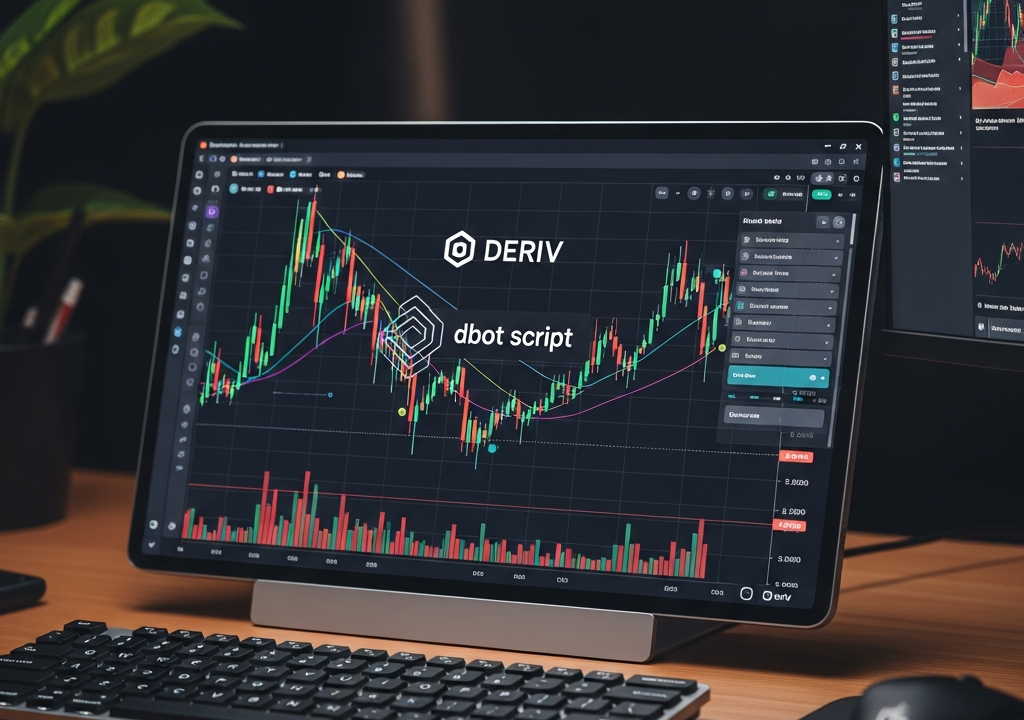
A DBot Price Action Script is a set of logical instructions (blocks) that tell the trading robot to execute trades based on candlestick patterns, support and resistance levels, and market structure. Unlike standard bots that might buy when a line crosses another, a price action bot looks for "clues" left by institutional and retail traders.
By 2026, the DBot platform has evolved to allow for more complex logic handling, making it possible to identify nested patterns and multi-timeframe correlations. The goal of using a price action script is to enter the market at the most opportunistic moment—the point of exhaustion or the start of a breakout.
Why Price Action Beats Indicators in 2026
Indicators are mathematically derived from past price data, which means they are inherently slow. In the high-frequency environment of modern digital markets, being late by even a few seconds can be the difference between a profit and a loss. A DBot Price Action Script reads the current candle’s open, high, low, and close (OHLC) values instantly, allowing for execution at the exact millisecond a pattern completes.
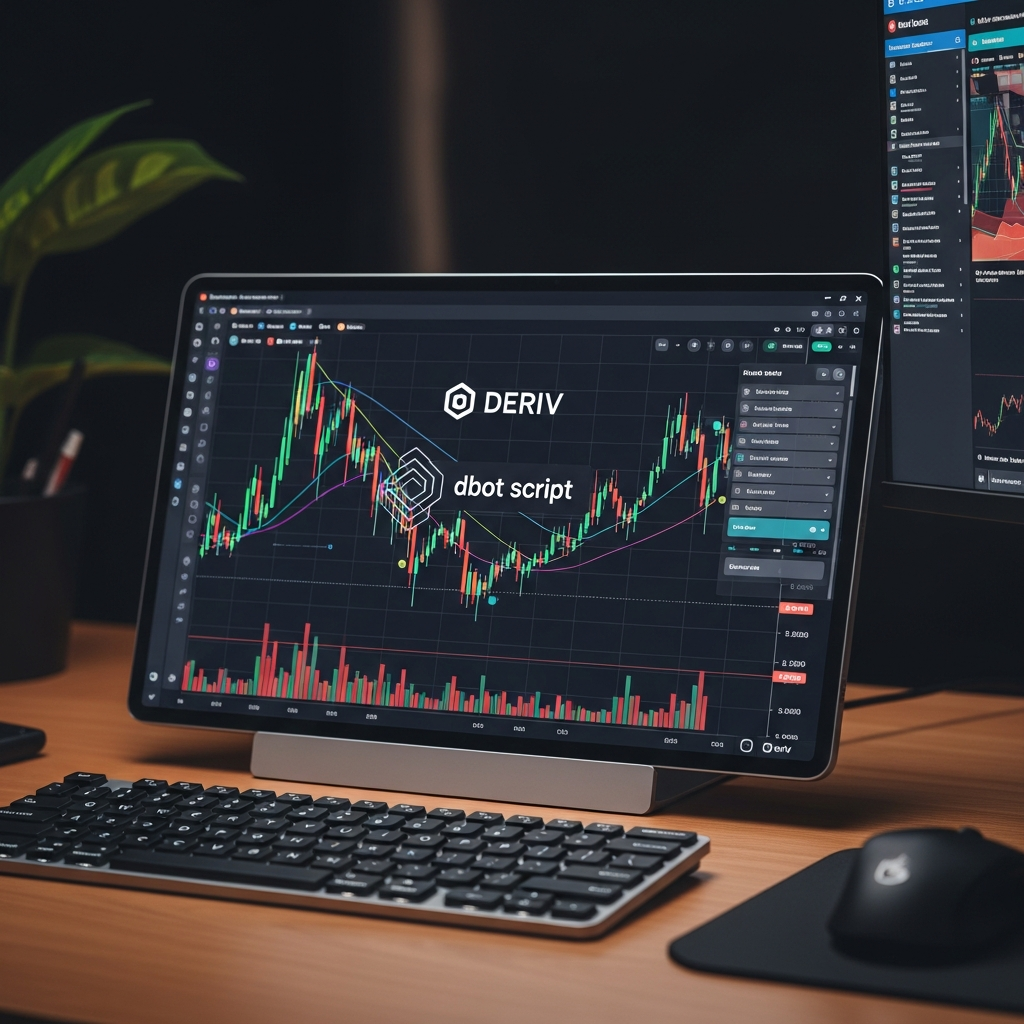
Key Components of a Successful Price Action Script
To build a script that survives the volatility of 2026, you must incorporate several foundational elements. A robust script isn’t just about the entry; it’s about context, execution, and exit.
1. Market Structure Identification
Before looking for a specific candle pattern, the script must determine if the market is trending (higher highs and higher lows) or ranging (sideways movement). Trading a breakout pattern in a ranging market often leads to "fakeouts." Your script should include logic blocks that compare the current candle’s peak to the previous five to ten candles to establish a localized trend.
2. Candlestick Pattern Recognition
The heart of any DBot Price Action Script lies in its ability to identify high-probability patterns. Some of the most effective patterns to code into your 2026 strategy include:
- The Pin Bar (Reversal): A candle with a long wick and a small body, signaling that the price was rejected at a certain level.
- The Engulfing Pattern: Where the current candle completely "swallows" the previous candle, indicating a strong shift in momentum.
- The Inside Bar: Signaling a period of consolidation before a massive breakout.
3. Support and Resistance Detection
In 2026, liquidity zones are more important than ever. Your script should be able to "remember" previous price peaks and troughs. By using variables to store historical high/low values, the DBot can identify when price is approaching a "wall," allowing it to either bet on a reversal or wait for a confirmed breach.
Building the Logic: A Step-by-Step Approach
Creating a DBot Price Action Script requires a modular approach. Instead of building one giant block of logic, professional traders break the script into functional "modules."
Defining Variables
Start by defining variables for your stake, target profit, and stop loss. In the price action context, you also need variables for LastCandleSize, WickPercentage, and TrendDirection. These variables will be updated every time a new candle closes.
The ‘Analysis’ Block
This is where the magic happens. You will use the "Tick Analysis" or "Candle Analysis" blocks to fetch data. For instance, to identify a bullish engulfing pattern, your logic would look like this:
IF (Close of Candle 1 > Open of Candle 2) AND (Open of Candle 1 < Close of Candle 2) AND (Close of Candle 1 > Open of Candle 1)… THEN Purchase ‘Rise’.
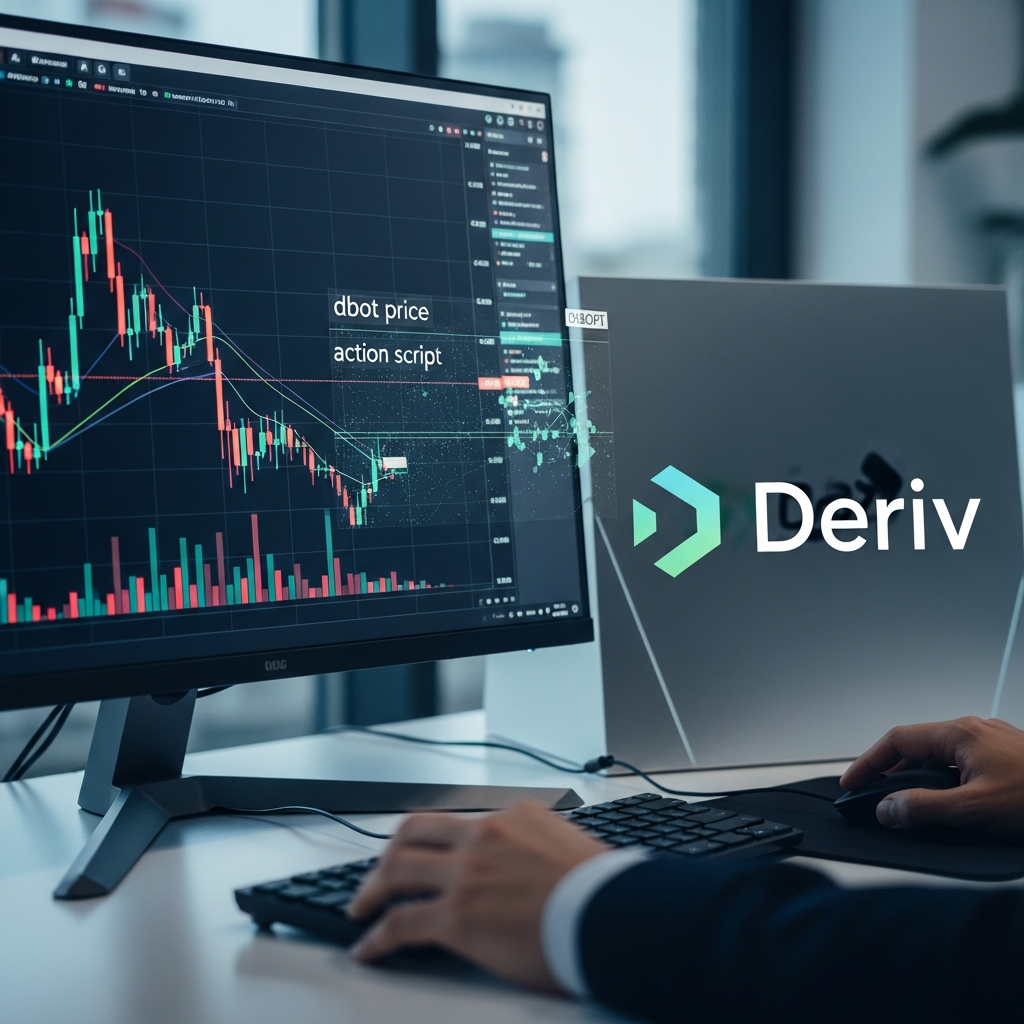
Advanced 2026 Strategies: Multi-Timeframe Confluence
One of the biggest mistakes amateur bot developers make is looking at only one timeframe. A 1-minute chart might show a strong bullish signal, while the 15-minute chart shows the price hitting a massive resistance level. In 2026, the most successful DBot Price Action Scripts utilize confluence.
By programming the bot to check the trend on a higher timeframe (e.g., 5-minute) before executing a trade on a lower timeframe (e.g., 1-minute), you significantly increase the win rate. The script essentially asks: "Is this small movement aligned with the ‘big picture’ of the market?"
Implementing Volatility Filters
Not all price action is equal. High volatility can lead to slippage, while low volatility leads to stagnant trades that fail to reach the target. Integrating a volatility filter—perhaps by measuring the Average True Range (ATR) within your script—ensures that the bot only trades when there is enough "meat on the bone" for the price action patterns to be meaningful.
Risk Management within the Script
Even the best DBot Price Action Script will have losing trades. In 2026, the difference between a blown account and a professional portfolio is risk management logic. Your script should never rely on simple Martingale (doubling down) unless it is carefully capped.
Dynamic Position Sizing
Consider coding your script to adjust the stake based on the "strength" of the price action signal. If a Pin Bar occurs exactly at a major historical resistance level, the script might risk 2% of the balance. If the signal is less clear, it might only risk 0.5% or skip the trade entirely.
The ‘Circuit Breaker’ Logic
Automated scripts can sometimes get caught in a loop during abnormal market events (like black swan news). A professional script includes a "Circuit Breaker"—if the bot loses three trades in a row, it should automatically stop and wait for 30 minutes, or until the user manually intervenes. This protects the capital from market anomalies.
Backtesting and Optimization for the 2026 Market
Before going live with any DBot Price Action Script, rigorous testing is mandatory. Deriv provides a virtual account environment that is perfect for this. However, 2026 traders go a step further by using historical data exports to simulate how the script would have performed during specific high-volatility events from previous years.
When optimizing, avoid "curve fitting." Curve fitting is when you make your script so specific to past data that it fails to perform in the future. Instead, look for "robustness"—does the script perform reasonably well across different assets (e.g., Volatility Indices, Forex pairs, and Commodities)? If it only works on one specific asset at one specific time, the logic is likely flawed.
Common Pitfalls to Avoid
Even with a high-quality script, certain traps can derail your progress:
- Over-Complicating the Logic: Adding too many conditions can lead to "analysis paralysis" for the bot, causing it to miss perfectly good trades.
- Ignoring News Events: While price action reflects much of the news, massive economic shifts can override any chart pattern. Ensure your script has a way to be paused during major NFP or interest rate announcements.
- Neglecting Psychology: It is easy to keep tweaking the script every time it loses. Stick to your plan. A script needs a large sample size of trades (at least 100) before you can truly judge its effectiveness.
Conclusion: The Future of Price Action Automation
The DBot Price Action Script represents the pinnacle of retail trading technology in 2026. By removing human emotion and replacing it with cold, hard logic based on the most reliable data available—price itself—traders can navigate the markets with a level of discipline that was previously impossible.
Whether you are a seasoned coder or a beginner using the drag-and-drop interface of DBot, focusing on price action is the most sustainable path to automated success. Start simple, prioritize risk management, and always remember that in the world of trading, price is the only truth. As we move further into 2026, those who master the intersection of human market psychology and algorithmic execution will be the ones who thrive.