
The Evolution of the HFT Bot for Proprietary Trading in 2026
The financial landscape has undergone a seismic shift over the last few years. As we move deeper into 2026, the barrier between institutional-grade technology and the individual trader has virtually evaporated. At the heart of this revolution is the hft bot for proprietary trading. High-Frequency Trading (HFT), once the exclusive playground of Wall Street giants like Citadel and Renaissance Technologies, is now accessible to skilled traders through proprietary (prop) firms.
Proprietary trading firms provide traders with capital in exchange for a share of the profits. However, the competition is fiercer than ever. To maintain an edge, traders are increasingly turning to automated systems that can execute hundreds, if not thousands, of orders in the blink of an eye. In this comprehensive guide, we will explore the mechanics, strategies, and infrastructure required to run a successful HFT bot in the modern prop firm ecosystem.
Understanding the Synergy: HFT and Prop Firms
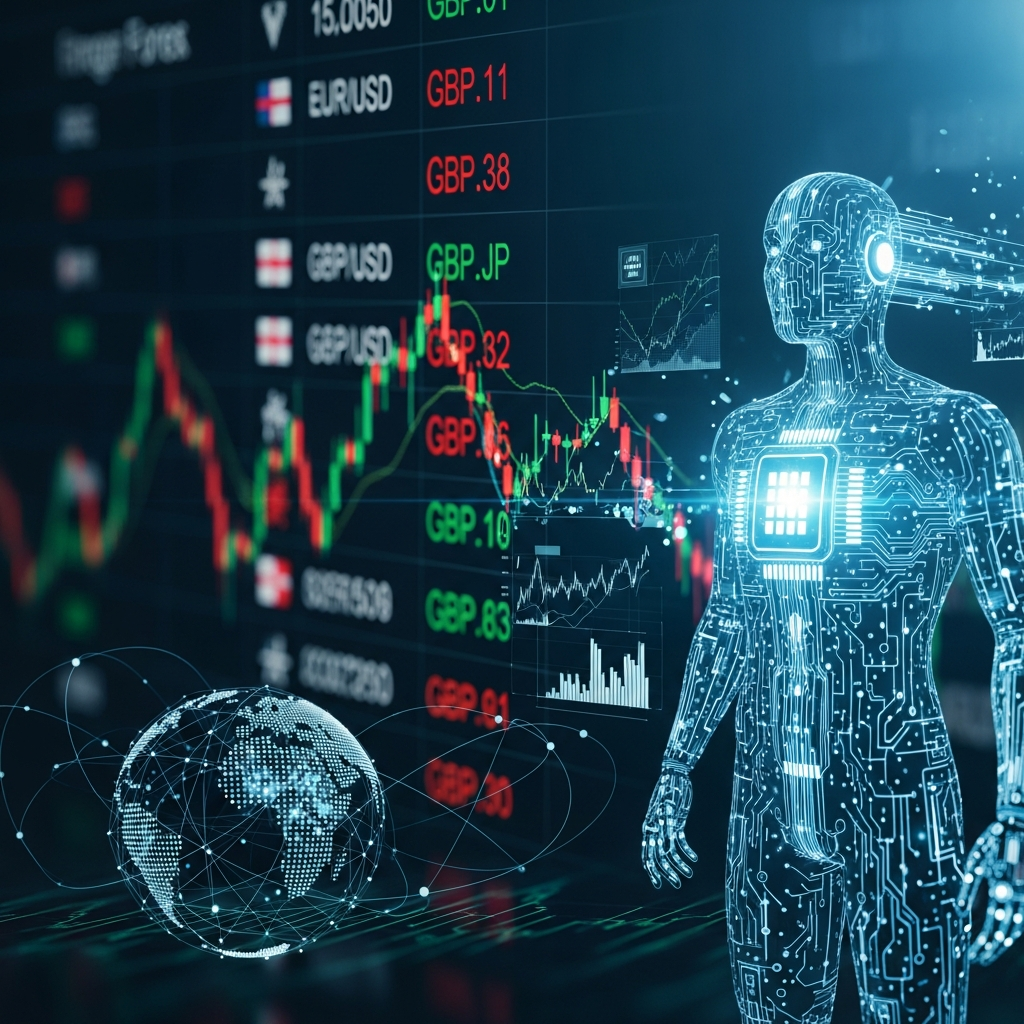
To understand why an hft bot for proprietary trading is so effective, one must first understand the fundamental goal of a prop firm. These firms want consistency and volume. They provide the leverage and the liquidity, while the trader provides the strategy. HFT bots are designed to exploit tiny price discrepancies that exist for only fractions of a second.
In 2026, many prop firms have transitioned to “HFT-friendly” models. These firms recognize that high-volume trading generates significant commissions and provides market liquidity. For the trader, using a bot means removing human emotion—the number one killer of prop firm accounts—and replacing it with cold, hard logic and lightning-fast execution.
The Core Components of an HFT Bot
Building or deploying an HFT bot is not as simple as downloading a plugin. It requires a sophisticated stack of technology. Here are the pillars of a 2026-era HFT system:
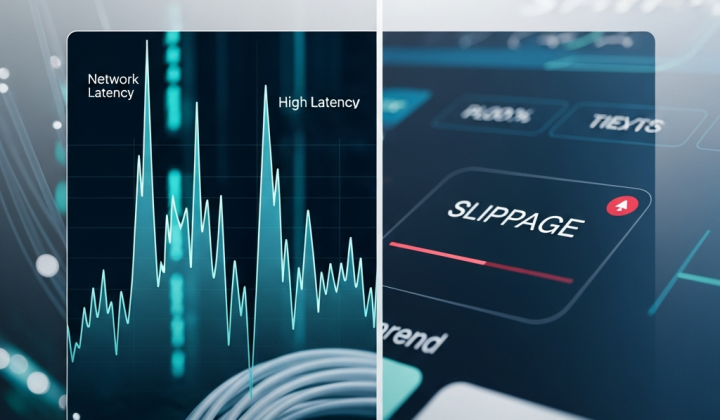
- Low-Latency Connectivity: Speed is the only currency in HFT. This involves using cross-connected VPS (Virtual Private Servers) located in the same data centers as the exchange servers (e.g., NY4 in New York or LD4 in London).
- Programming Efficiency: While Python is great for backtesting, the execution engine of a high-end HFT bot is typically written in C++ or Rust to minimize execution lag.
- Data Feeds: Standard retail data feeds are too slow. Professional HFT traders use Level 2 and Level 3 market data to see the full depth of the order book.
Top HFT Strategies for Prop Trading
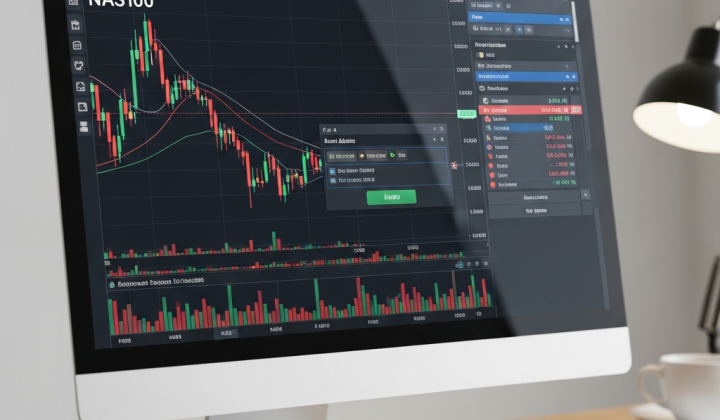
When deploying an hft bot for proprietary trading, the strategy must be tailored to the specific rules of the prop firm. Unlike personal accounts, prop accounts often have strict daily drawdown limits. Here are the most prevalent strategies in 2026:
1. Arbitrage (Latency and Triangular)
Latency arbitrage involves identifying price differences for the same asset across different exchanges. If Bitcoin is trading at $100,000 on Exchange A and $100,005 on Exchange B, the bot buys on A and sells on B simultaneously. Triangular arbitrage involves three different currencies (e.g., EUR/USD, USD/JPY, and EUR/JPY) where the exchange rates don’t perfectly align.
2. Market Making
The bot places both buy and sell orders slightly outside the current market price. By capturing the “spread” (the difference between the bid and ask), the bot accumulates small profits over thousands of trades. In the high-volatility environment of 2026, market-making bots are essential for providing liquidity to the markets.
3. Order Flow Imbalance
By analyzing the order book, an HFT bot can detect when a large institutional buy or sell order is about to move the price. The bot “front-runs” (legally, by reacting to public data) this move, entering and exiting before the large order is fully filled.
Navigating Prop Firm Rules in 2026
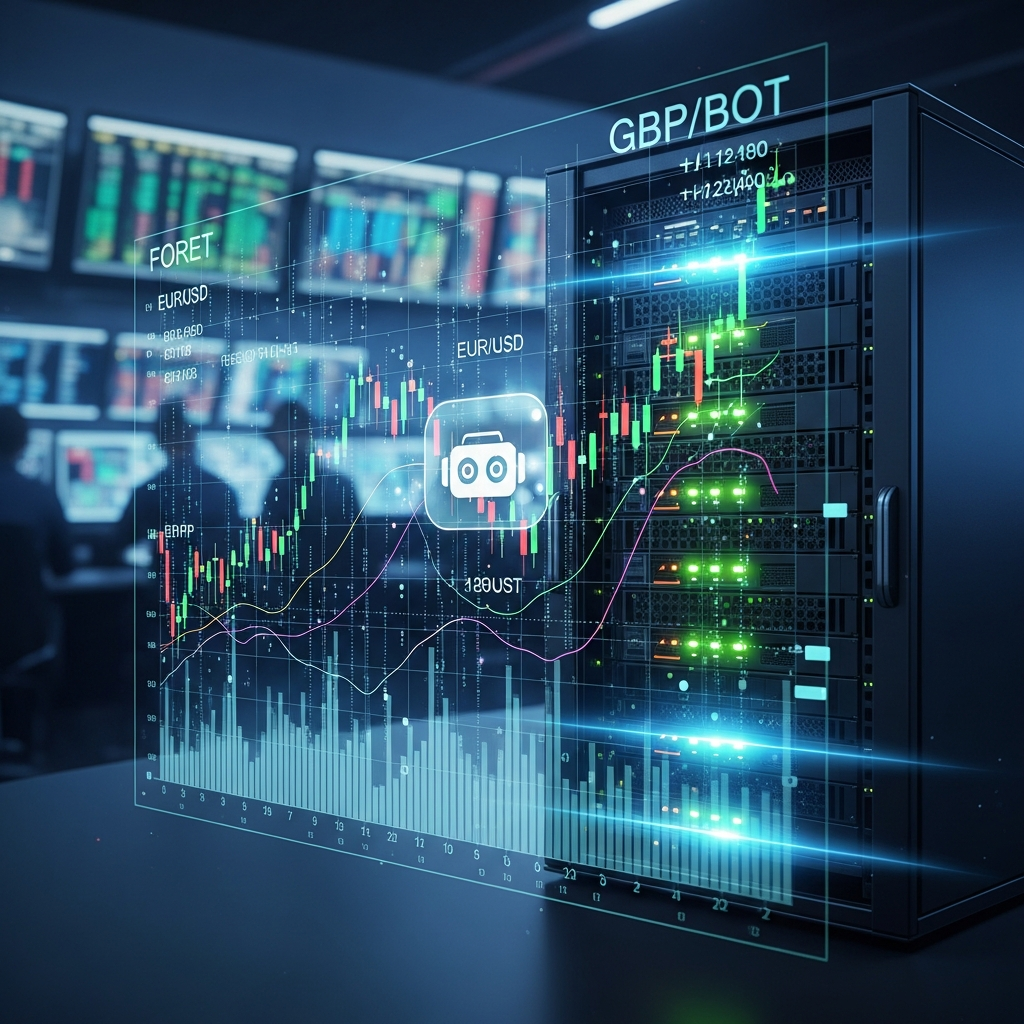
Not all prop firms are created equal. In fact, many retail prop firms have banned HFT bots because they can “game” the demo servers used for evaluations. However, a new breed of professional prop firms has emerged that specifically caters to algorithmic traders.
The Evaluation Phase
Many traders use an hft bot for proprietary trading specifically to pass the “Challenge” or “Evaluation” phase. Because these bots can execute thousands of trades, they can reach profit targets in a matter of minutes if the firm’s rules allow it. It is crucial to read the terms of service: some firms allow HFT for the evaluation but forbid it on “funded” accounts.
Consistency and Drawdown
Prop firms in 2026 use advanced AI to monitor trader behavior. If your HFT bot has a “martingale” component or takes excessive risks, the firm’s risk management software will likely flag and close the account. Successful HFT integration requires a bot that respects the daily loss limits (often 3-5%) while maintaining a high win rate.
The Technical Infrastructure of 2026
The hardware requirements for HFT have evolved. In 2026, we are seeing the rise of FPGA (Field Programmable Gate Array) integration for retail-accessible bots. An FPGA allows the bot’s logic to be hardcoded into the hardware, bypassing the operating system entirely to achieve sub-microsecond execution speeds.
Furthermore, the integration of Large Language Models (LLMs) and Neural Networks has allowed bots to perform “Sentiment HFT.” These bots scan news headlines and social media in real-time, executing trades based on the sentiment of a central bank announcement before a human could even finish reading the first word.
Cloud vs. On-Premise
While cloud providers like AWS and Azure offer massive scale, most serious HFT traders in the prop space opt for specialized providers like Beeks Group or Equinix. These providers offer dedicated hardware that ensures your bot isn’t competing for CPU cycles with other users, a critical factor when every millisecond counts.
Risk Management: The Silent Partner
The biggest danger of an hft bot for proprietary trading is its speed. A bug in the code or a sudden market flash crash can wipe out a prop account in seconds. Therefore, the risk management layer must be independent of the execution layer.
- Hard Stop Losses: Every trade must have a programmed stop loss sent to the server simultaneously with the entry order.
- Max Daily Loss: The bot should automatically kill all processes if the account equity drops by a certain percentage.
- Circuit Breakers: If the bot loses 3 trades in a row, it should “cool down” for a set period to avoid revenge trading or catching a falling knife.
How to Get Started with an HFT Bot
If you are looking to enter the world of high-speed prop trading in 2026, follow these steps:
- Choose the Right Prop Firm: Look for firms that offer “Direct Market Access” (DMA) and explicitly allow EAs (Expert Advisors) and HFT.
- Select Your Programming Language: If you’re a beginner, start with Python for the logic, but look into C++ or specialized HFT platforms for the final build.
- Backtest with Tick Data: Standard 1-minute data is useless for HFT. You need “Tick Data” (every single price change) to accurately simulate how the bot would have performed.
- Start with a Demo: Never put an HFT bot on a live funded account without at least a month of successful demo testing in real-market conditions.
The Future of HFT in Prop Trading
As we look toward the end of 2026 and into 2027, the role of the hft bot for proprietary trading will only grow. We are likely to see prop firms offering their own proprietary HFT APIs, allowing traders to plug their algorithms directly into the firm’s deep liquidity pools. The distinction between “trader” and “developer” is blurring; the most successful traders of the future will be those who can manage a fleet of high-speed bots across multiple firms.
However, the human element remains vital. A bot is only as good as its parameters. Market regimes change—volatility can dry up or explode—and the trader must know when to turn the bot off. The synergy of human intuition and machine speed is the ultimate formula for prop trading success.
Conclusion
Leveraging an hft bot for proprietary trading is a high-reward strategy that requires a significant investment in technology and education. In 2026, the opportunities are vast for those who can navigate the technical hurdles and the strict risk management rules of prop firms. By focusing on low latency, robust strategy design, and impeccable risk controls, you can join the ranks of the elite algorithmic traders who are redefining what it means to trade for a living.
Whether you are building your own system from scratch or licensing a professional-grade bot, remember that in the world of HFT, the fast do not just eat the slow—they dominate the market.