The Evolution of Modern Trading: Why Direct Integration is the Standard in 2026
In the rapidly evolving landscape of 2026, the retail trading world has moved far beyond the clunky, desktop-bound interfaces of the early 2000s. Today, traders demand fluidity, speed, and cross-platform synchronization. This shift has placed Forex Brokers with Direct TradingView Integration at the forefront of the industry. No longer is TradingView just a sophisticated charting tool used for analysis; it has become a comprehensive terminal where execution meets intuition.
For years, traders were forced into a fragmented workflow: analyzing trends on TradingView and then switching to a separate platform like MT4 or MT5 to execute the trade. This friction often resulted in slippage, missed entries, and cognitive fatigue. However, with the rise of direct API integrations, the barriers between analysis and execution have dissolved. In this guide, we will explore why this integration is essential for modern success and which brokers are leading the charge this year.
What Does “Direct Integration” Actually Mean?
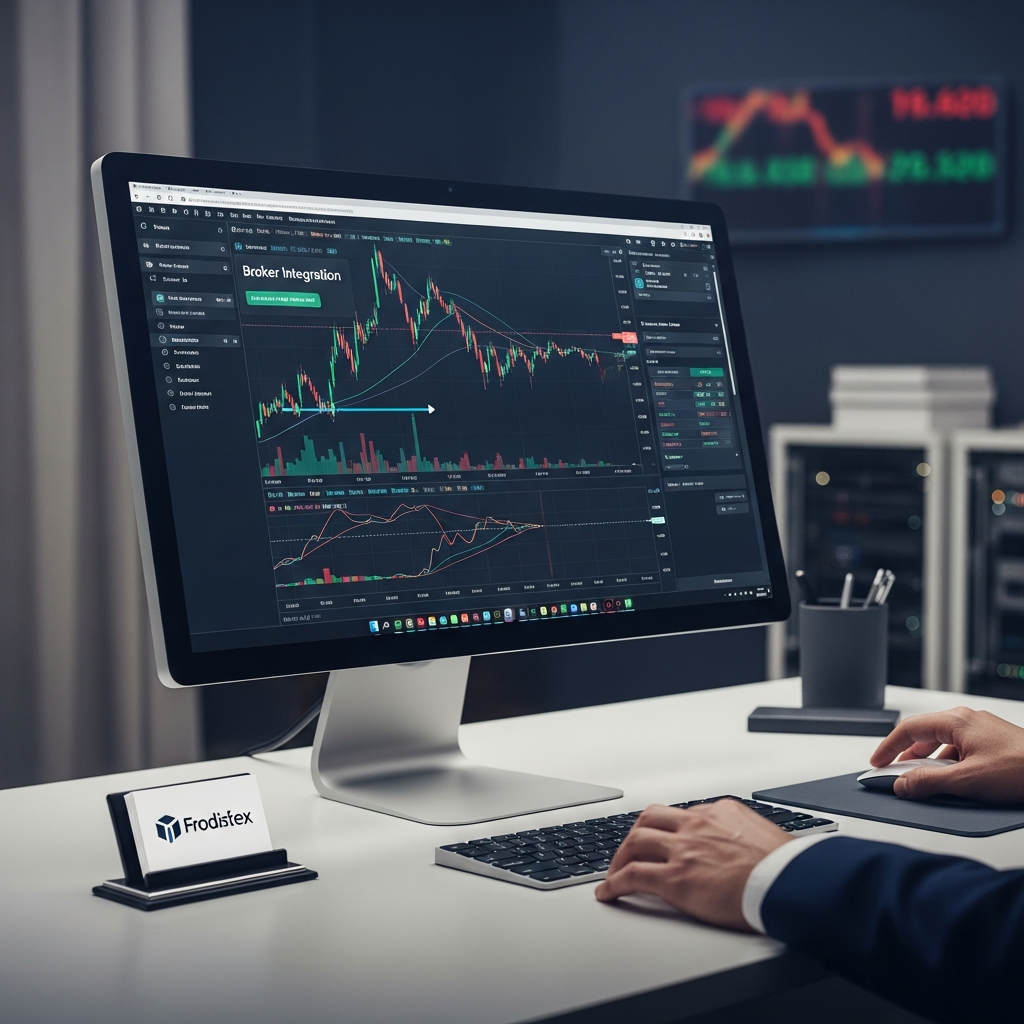
When we discuss forex brokers with direct TradingView integration, we aren’t just talking about a broker providing a white-labeled version of TradingView charts on their website. True direct integration occurs when you can log into your brokerage account directly from the TradingView interface—whether on a web browser, desktop app, or mobile device.
This connection is facilitated through a robust Web API. Once linked, your account balance, open positions, and order history are synced in real-time. You can place market orders, set stop-losses, and manage take-profits by simply dragging elements on the chart. This holistic environment allows for a level of precision that was previously reserved for institutional high-frequency traders.
Top Forex Brokers with Direct TradingView Integration
Choosing a broker in 2026 involves more than just looking at spreads. You need to consider the depth of their integration, their regulatory standing, and the latency of their execution servers. Here are the top contenders currently dominating the space.
1. Pepperstone
Pepperstone has long been a favorite among professional scalpers and algorithmic traders. Their integration with TradingView is particularly noteworthy for its low-latency execution. By leveraging their Razor account, traders can access raw spreads with a competitive commission structure. In 2026, Pepperstone has further optimized its server bridges, ensuring that when you hit ‘buy’ on a TradingView chart, the order is filled at the London or New York data centers in milliseconds.
2. OANDA
As one of the first brokers to partner with TradingView, OANDA offers a mature and stable ecosystem. They are widely regarded for their transparency and regulatory compliance across multiple jurisdictions (CFTC, ASIC, FCA). OANDA’s integration supports a wide array of order types, including trailing stops and guaranteed stop-losses, which are seamlessly managed within the TradingView ‘Trade Panel’.
3. BlackBull Markets
For those seeking high-growth opportunities and institutional-grade liquidity, BlackBull Markets is a top choice. Based in New Zealand, they provide an ECN (Electronic Communication Network) environment. Their TradingView integration is frequently praised for its reliability during high-volatility events, such as NFP releases or central bank interest rate decisions. They also offer a vast range of tradable assets, including indices and commodities, all accessible via the TradingView interface.
4. Eightcap
Eightcap has carved out a niche by catering specifically to the crypto-integrated forex trader. In 2026, the line between traditional FX and digital assets is thinner than ever. Eightcap allows for seamless switching between major currency pairs and crypto CFDs. Their TradingView setup is easy to configure, making it a go-to for newer traders who want to skip the steep learning curve of legacy platforms.
5. Interactive Brokers (IBKR)
Interactive Brokers remains the titan for professional and institutional-level retail traders. While their own platform (TWS) is powerful, many of their clients prefer the modern UI of TradingView. The IBKR-TradingView integration provides access to global markets, allowing users to trade not just forex, but also stocks and futures from a single integrated dashboard.
The Benefits of Trading Directly from TradingView
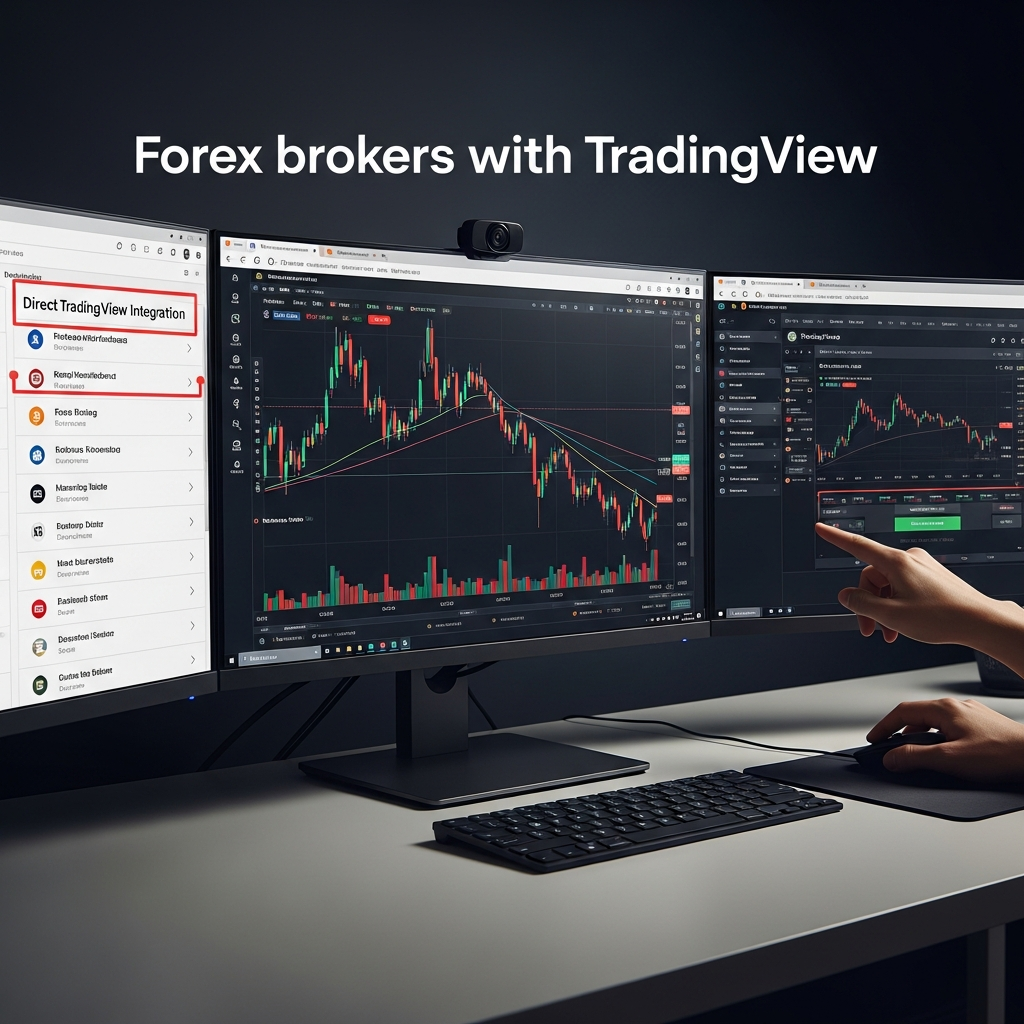
Why are so many traders moving away from dedicated broker platforms? The advantages are numerous and touch upon both the psychological and technical aspects of trading.
1. Unified User Experience (UX)
In 2026, the psychological burden of managing multiple windows is well-documented. By using a single interface for everything—from scanning the markets with heatmaps to executing complex strategies—traders can maintain a ‘flow state.’ This reduction in friction leads to better decision-making and fewer manual errors.
2. Advanced Pine Script Integration
TradingView’s proprietary language, Pine Script (now in its advanced v7 iteration in 2026), allows traders to create custom indicators and backtest strategies. With direct integration, you can set up alerts that trigger specific order dialogs, or even automate portions of your strategy that execute directly through your broker’s API without leaving the chart.
3. Cloud-Based Synchronization
Unlike legacy platforms that store your drawings and alerts locally on your PC, TradingView is cloud-native. If you draw a Fibonacci retracement on your desktop at home, it appears instantly on your mobile app. When you are connected to a direct broker, your orders and positions are also synchronized. You can open a trade on your laptop and close it on your phone while commuting, with zero discrepancy in data.
4. Superior Charting and Drawing Tools
Let’s be honest: the charting capabilities of most proprietary broker platforms are mediocre. TradingView offers over 100+ built-in indicators, 50+ drawing tools, and unique chart types like Renko, Kagi, and Point & Figure. For a technical analyst, having these tools directly linked to their capital is a massive competitive advantage.
How to Connect Your Broker to TradingView: A Step-by-Step Guide
Setting up your integrated trading desk is a straightforward process. Follow these steps to get started:
- Create a Brokerage Account: Sign up with one of the supported forex brokers with direct TradingView integration (e.g., Pepperstone, OANDA). Ensure you have completed the KYC (Know Your Customer) requirements.
- Open TradingView: Navigate to the TradingView website or open the desktop application.
- Access the Trading Panel: At the bottom of the chart interface, you will see a series of tabs. Click on the one labeled ‘Trading Panel’.
- Select Your Broker: A list of integrated brokers will appear. Click on your broker’s logo and select ‘Connect’.
- Authorize the Connection: A pop-up window will appear asking for your broker login credentials. This is a secure OAuth or API-based login that doesn’t share your password directly with the charting platform in an unencrypted way.
- Confirm Connection: Once logged in, your balance and positions will appear in the panel below. You are now ready to trade directly from the charts.
Key Considerations When Choosing an Integrated Broker
While the convenience of TradingView is a huge draw, you must not ignore the fundamentals of a good broker. In 2026, the following factors remain critical:
- Regulation: Always ensure your broker is regulated by a tier-1 authority (FCA, ASIC, CySEC, or NFA). Direct integration is useless if your funds are at risk due to poor oversight.
- Execution Speed: Look for brokers that offer ‘No Dealing Desk’ (NDD) or ECN execution. This minimizes the conflict of interest and ensures that your orders are filled at the best possible market price.
- Asset Coverage: Does the broker offer all the pairs you want to trade? Some brokers might limit the assets available through the TradingView bridge compared to their native platforms.
- Customer Support: In the digital age, having 24/7 access to human support is vital. If a technical glitch occurs between the API and the platform, you need a broker that can resolve the issue immediately.
The Future of Integrated Trading: What to Expect Post-2026
As we look toward the latter half of the decade, the integration between analytical platforms and brokers will only deepen. We are already seeing the emergence of AI-driven assistants within TradingView that can suggest trade setups based on historical patterns and execute them with a single click through a connected broker. Furthermore, the rise of ‘Social Trading’ means you can soon follow a master trader’s signals and have those trades mirrored in your integrated account automatically, with full transparency on the charts.
Conclusion: Is It Time to Switch?
If you are still toggling between tabs and losing precious seconds to manual order entry, the answer is a resounding yes. Transitioning to one of the forex brokers with direct TradingView integration is perhaps the single most effective way to upgrade your trading workflow in 2026. By combining world-class charting with institutional-grade execution, you provide yourself with the tools necessary to navigate the complex and fast-moving global currency markets.
Whether you are a seasoned professional utilizing complex Pine Script strategies or a retail trader looking for a cleaner, more intuitive experience, the synergy of TradingView and a top-tier broker offers a level of power and flexibility that was unimaginable just a few years ago. Explore the brokers listed above, open a demo account, and experience the future of trading today.